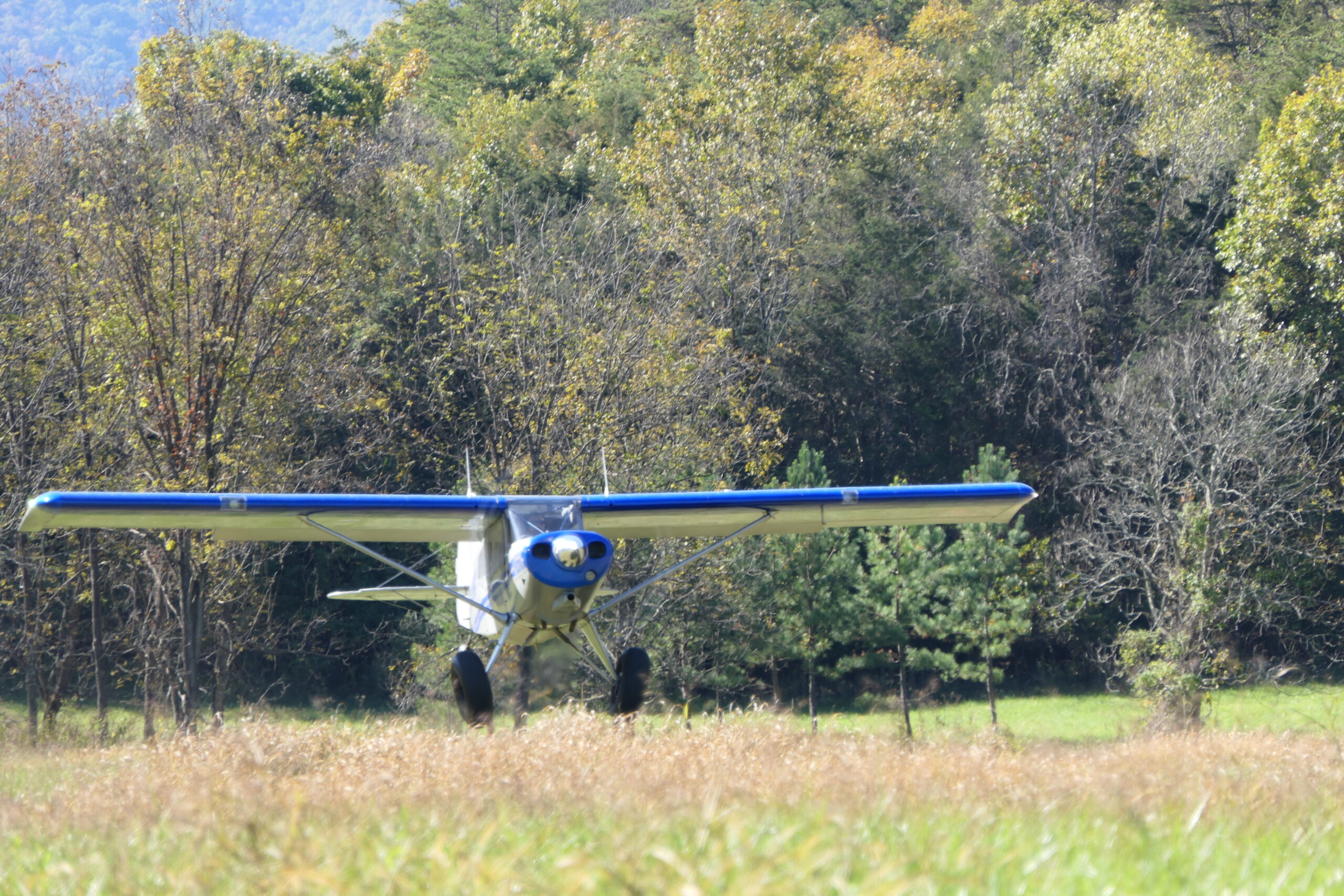
Source: 2025 Q4 Beartracks, Elliot Abel
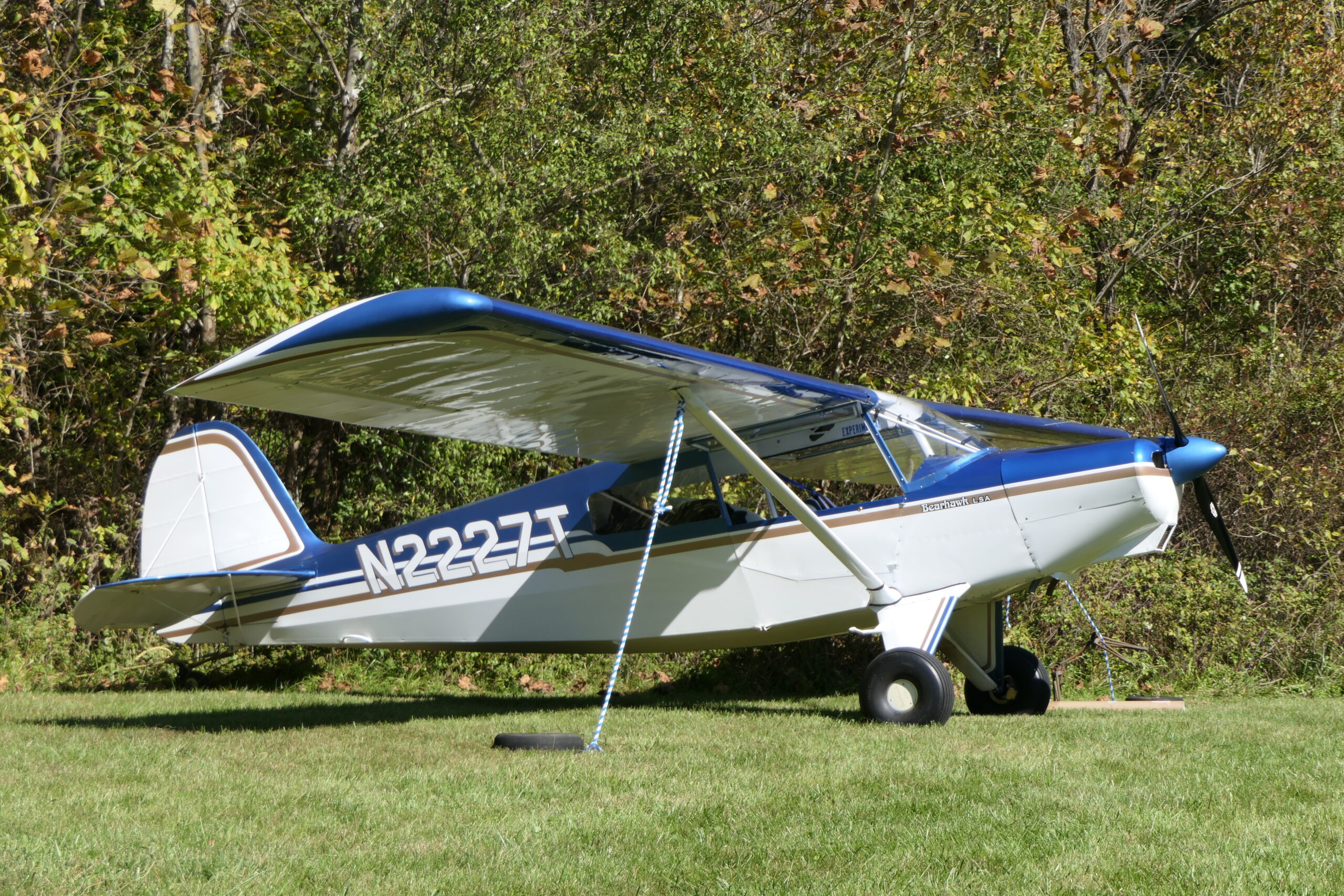
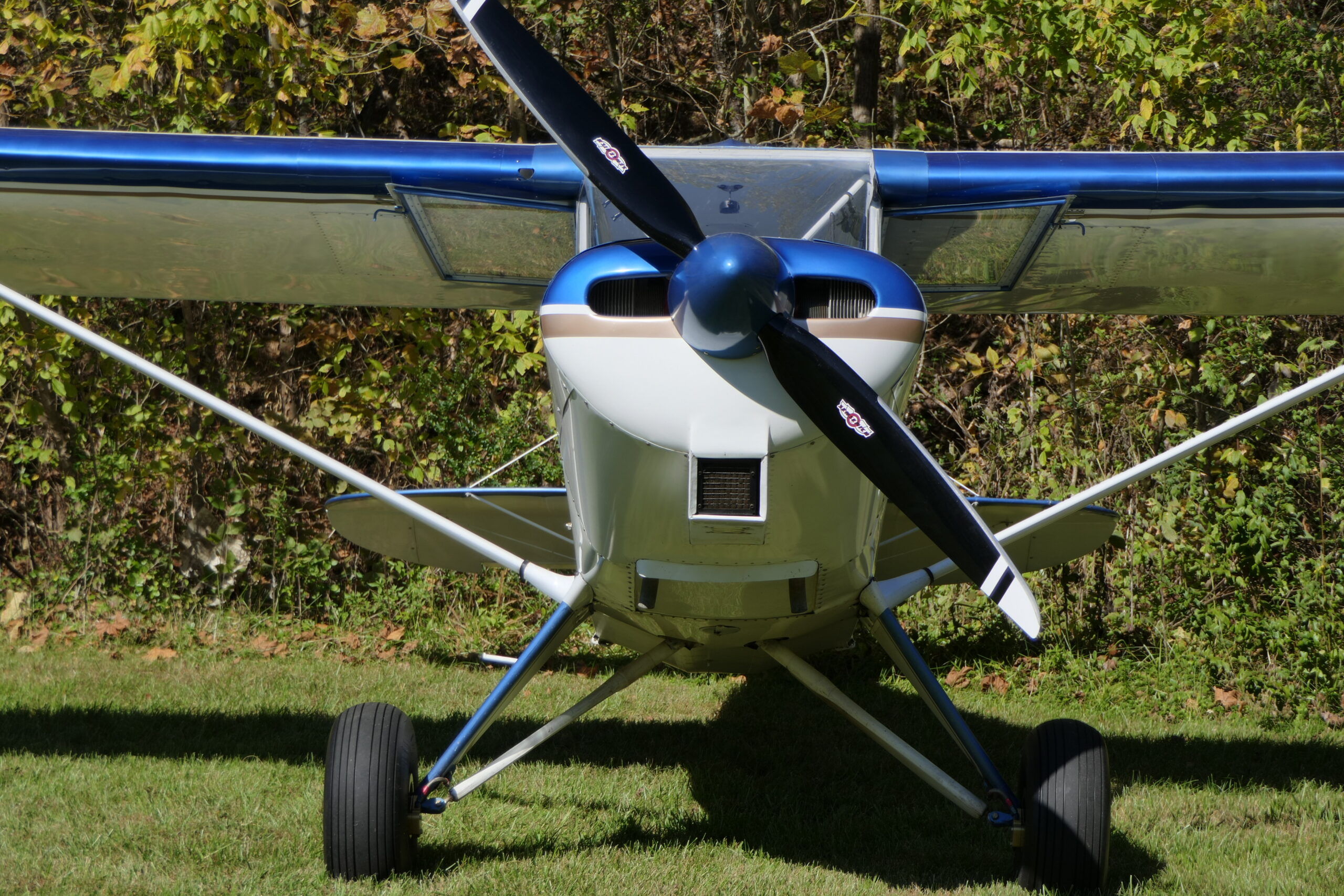
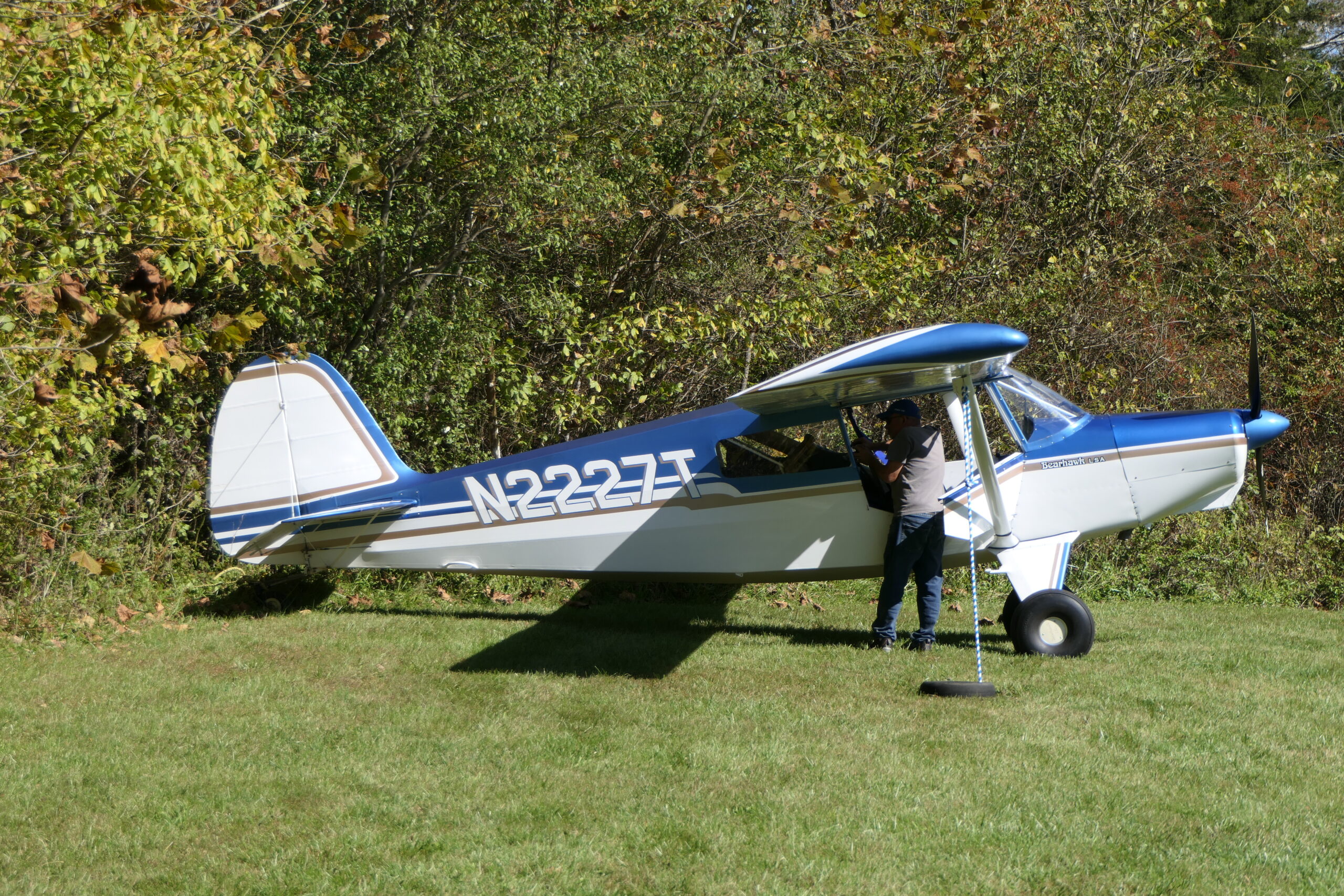
By late summer 2025, the hangar finally grew quiet. The last safety wire was twisted, the final cowl screws snugged down, and the smell of fresh paint on aluminum lingered faintly in the air. After years of cutting, riveting, wiring, and dreaming, our Bearhawk 5 (N847EM) stood complete.
On August 4th, the Lycoming IO-540 came to life for its first flight on our airplane. Over the next several weeks, my wife Melanie and I carefully flew off the hours. Built in 2 years, 10 months, and 19 days by the two of us, with assistance from Dale Barkley, the Bearhawk was smooth and strong—eager to stretch its wings. By mid-September, with 60 hours on the engine and airframe, it was time to point west toward the mountains, the desert, and the famous High Sierra Fly-In.
Our plan was to have at least 50 to 75 hours on the airplane before heading out west, just to build trust between pilot and machine. But as any builder knows, airplanes have their own schedules. A mechanical gremlin crept in, and we found ourselves waiting nearly two weeks for parts. Once everything was sorted, we added a few more solid hours and felt confident.
When we finally loaded the airplane, it was me, Melanie, two folding e-bikes, and every piece of camping gear you can imagine. Even so, we were still under gross weight—about 2,800 pounds against the 3,000-pound limit. The Bearhawk took it all in stride, eager for adventure.
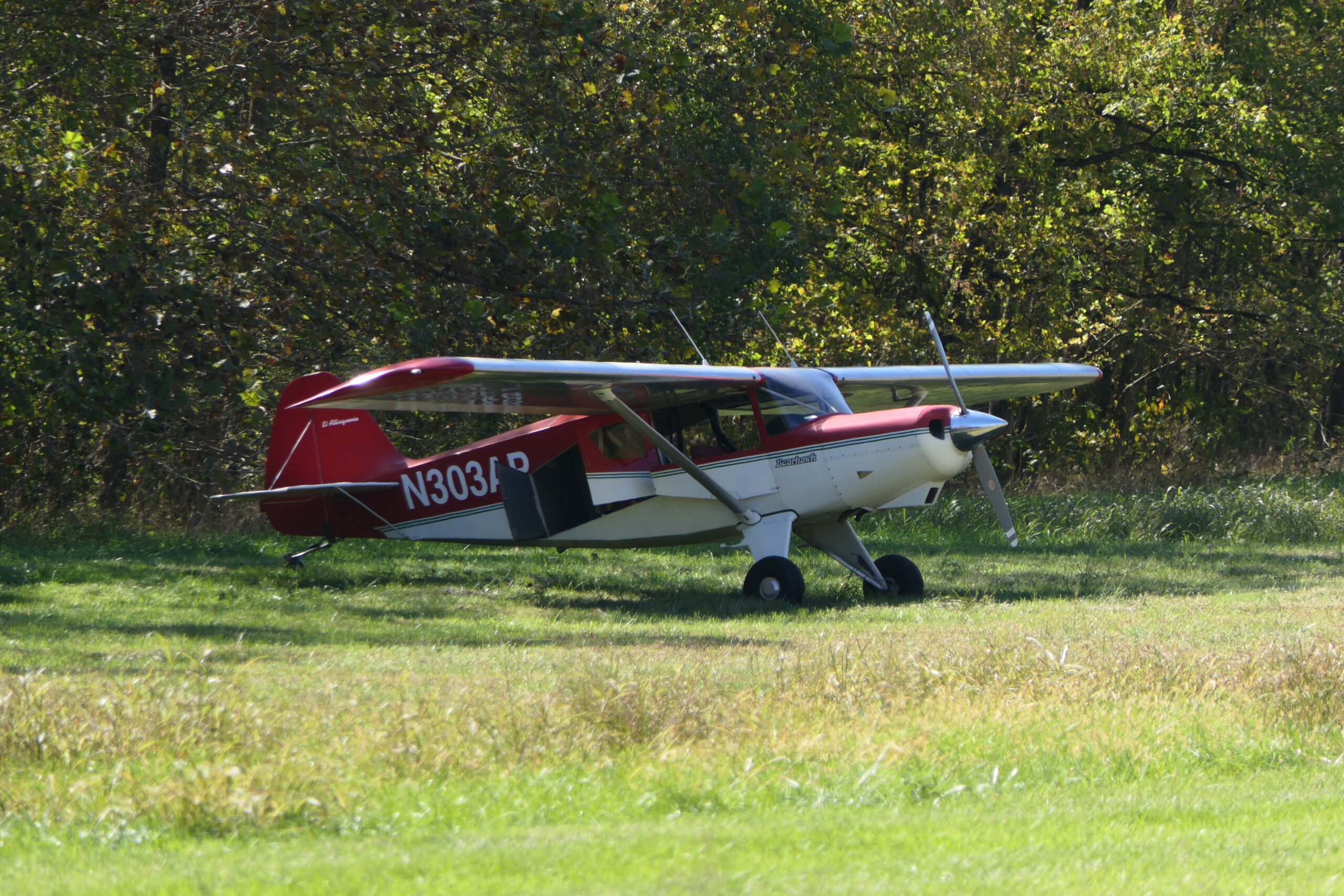
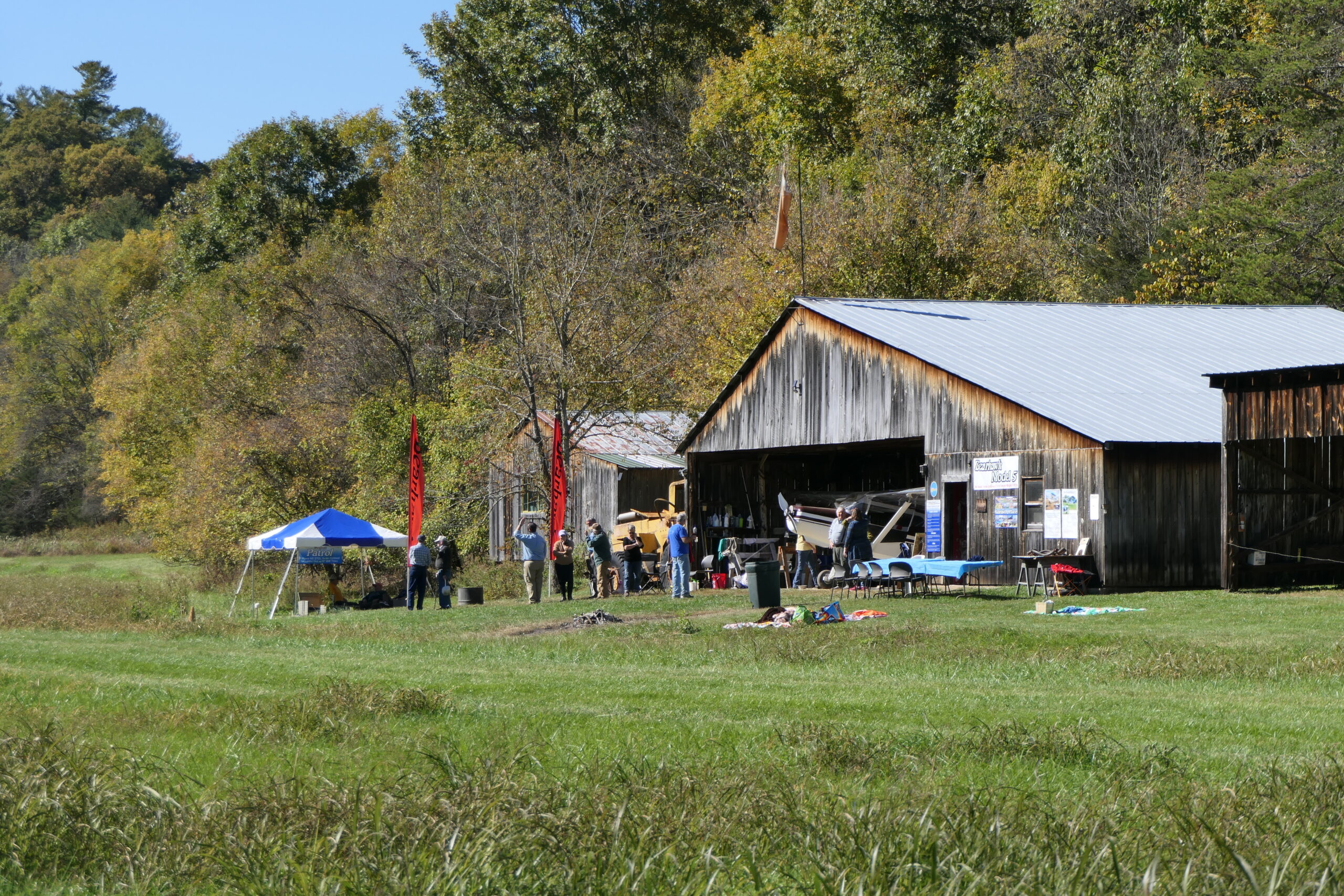
Our first destination was Fairview, Oklahoma, home of Bearhawk Aircraft kits and builders assist. We wanted to meet the team—Virgil, Peter, Ty, and the rest—and see where these incredible airplanes come to life.
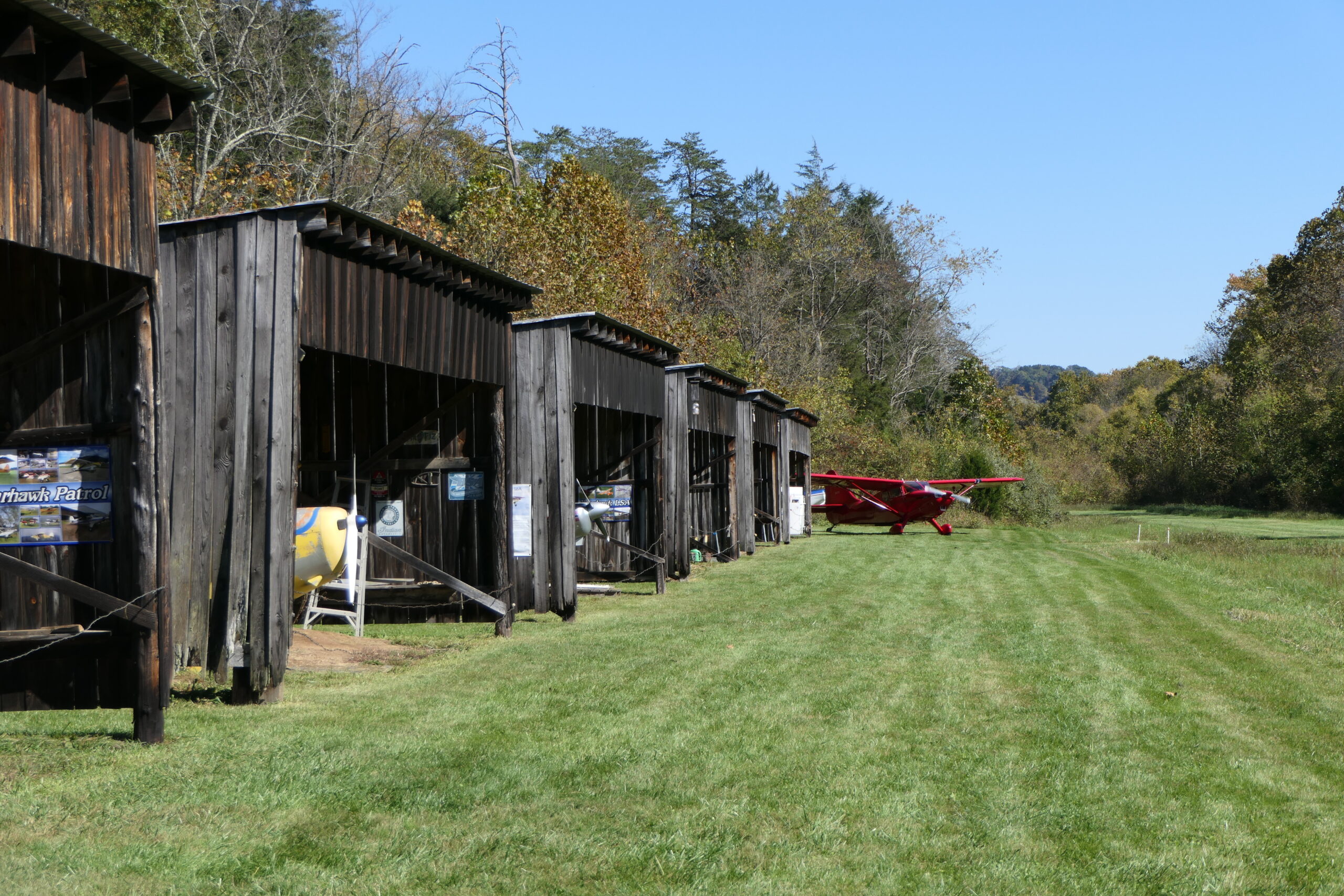
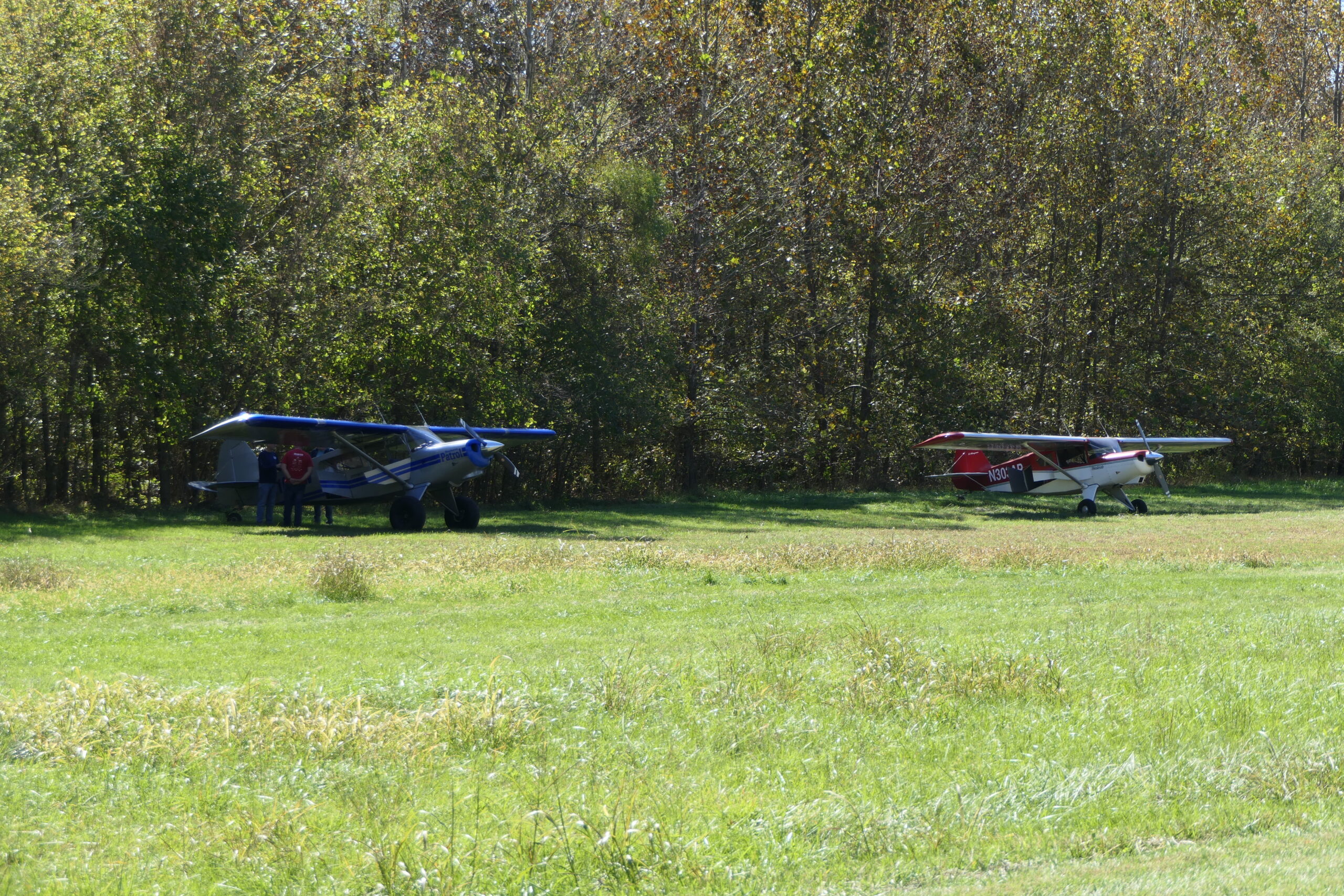
We parked right next to the build-assist facility and joined the crew for lunch and a tour. By pure luck, Erin and Paul were en-route in their Bearhawk 5 as well, so we stuck around to meet them. Seeing two Bearhawk 5s side by side was something special—a milestone moment for the community and for us.
Melanie reminded me that we still had to make Albuquerque before sunset. I don’t fly single-engine at night anymore, so we pressed on. The first leg from Indiana to Fairview had been 4.3 hours, and the next to Double Eagle II (KAEG) near Albuquerque was 3.8. We landed just after sunset, with just enough light to feel safe—that warm glow of accomplishment mixed with fatigue and satisfaction.
The next morning, we turned west again. Our stop in St. George, Utah, came with a healthy 30-knot headwind right down the runway—a perfect chance for a quick refuel and lunch before the desert turbulence built.
By nightfall, we tied down at Reno-Stead Airport, home of the famous Reno Air Races, but spent the night at the Peppermill Hotel Casino. The next morning, we were ready for the real goal: to join the early arrivals at Dead Cow Lakebed, home of the High Sierra Fly-In.
We lifted off from Reno-Stead and flew out into the desert, touching down among the first ten aircraft to arrive. The Dead Cow dry lakebed is vast—miles of hard-packed clay surrounded by mountain ridges, shimmering under the Nevada sun. It’s desolate, but breathtaking.
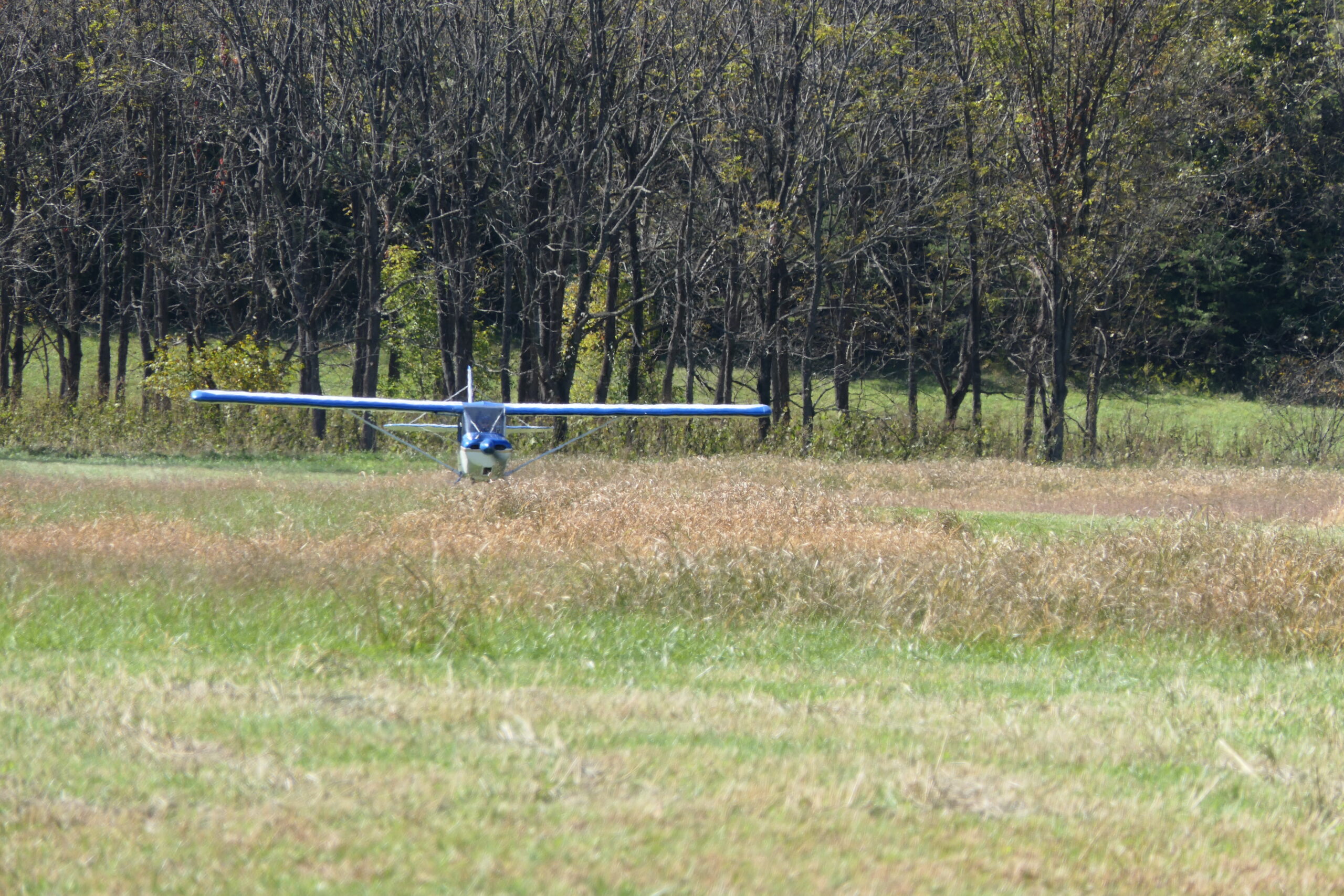
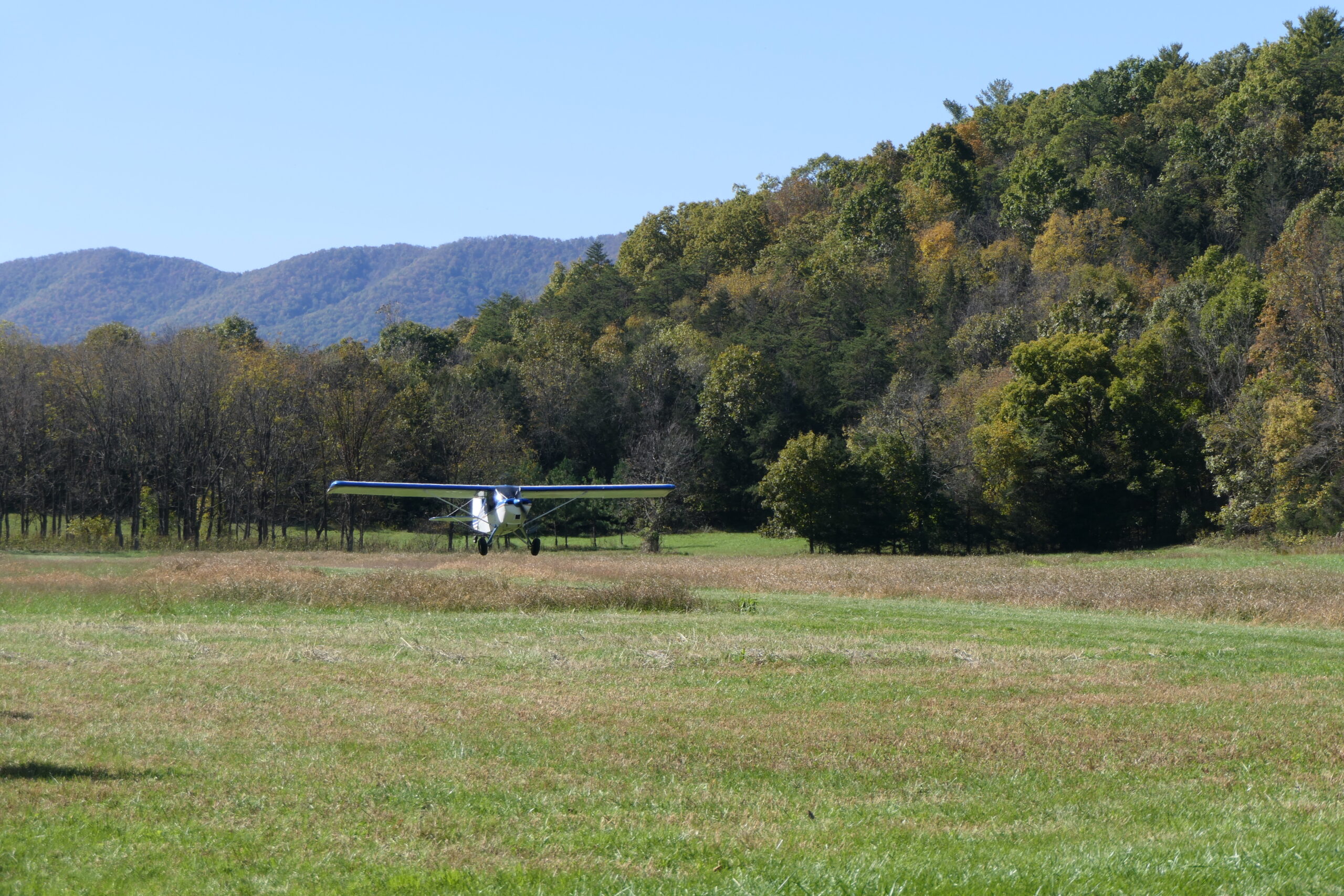
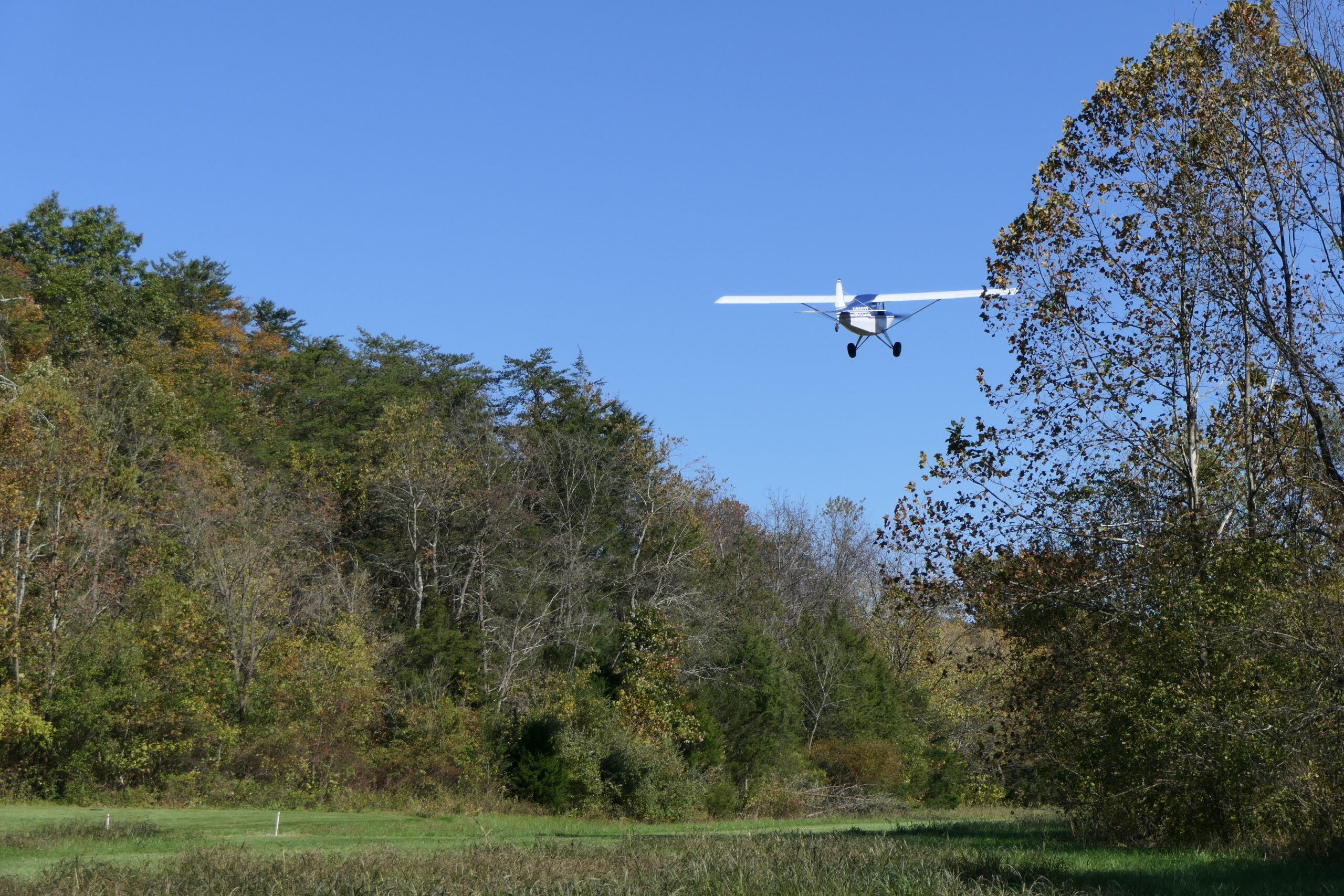
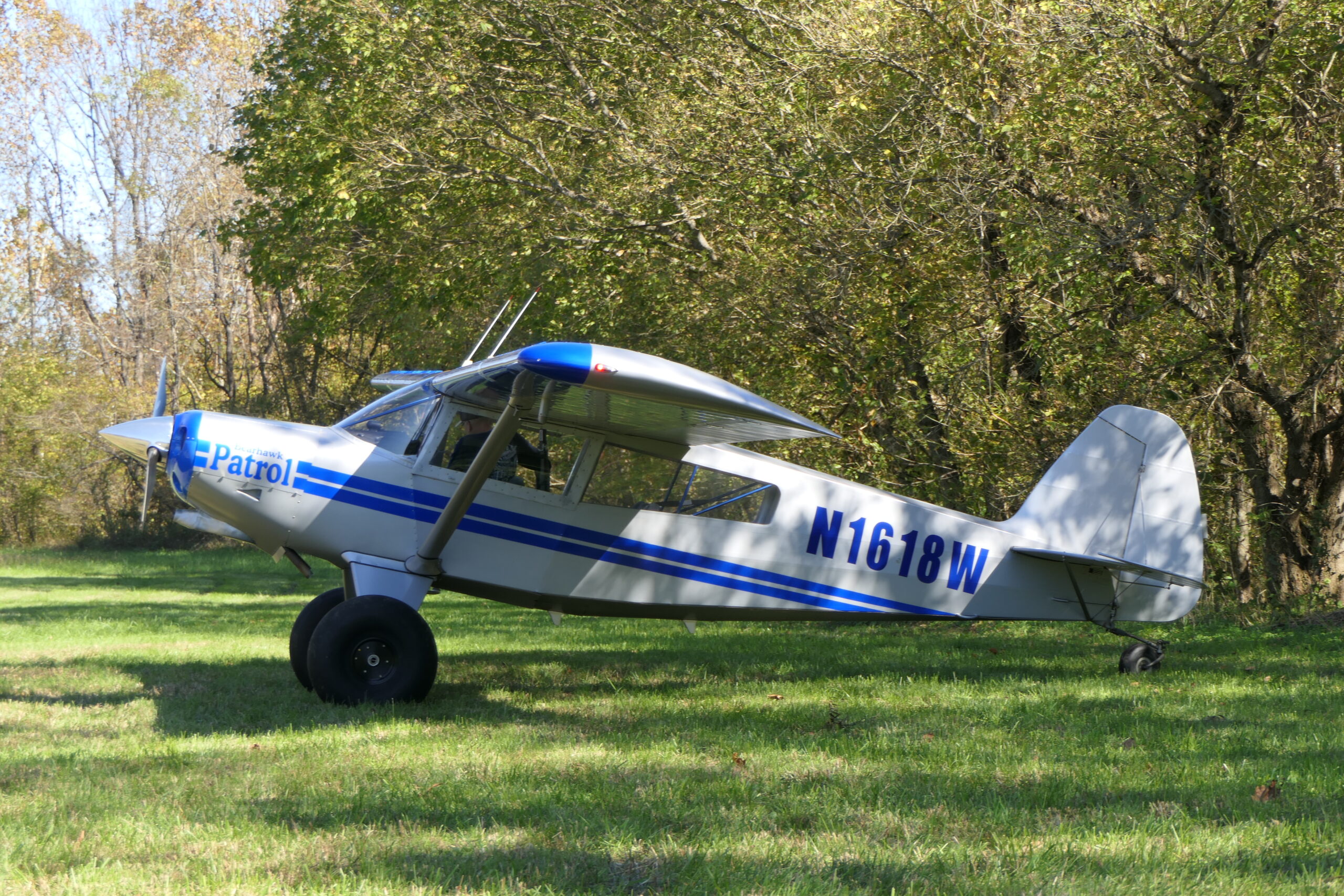
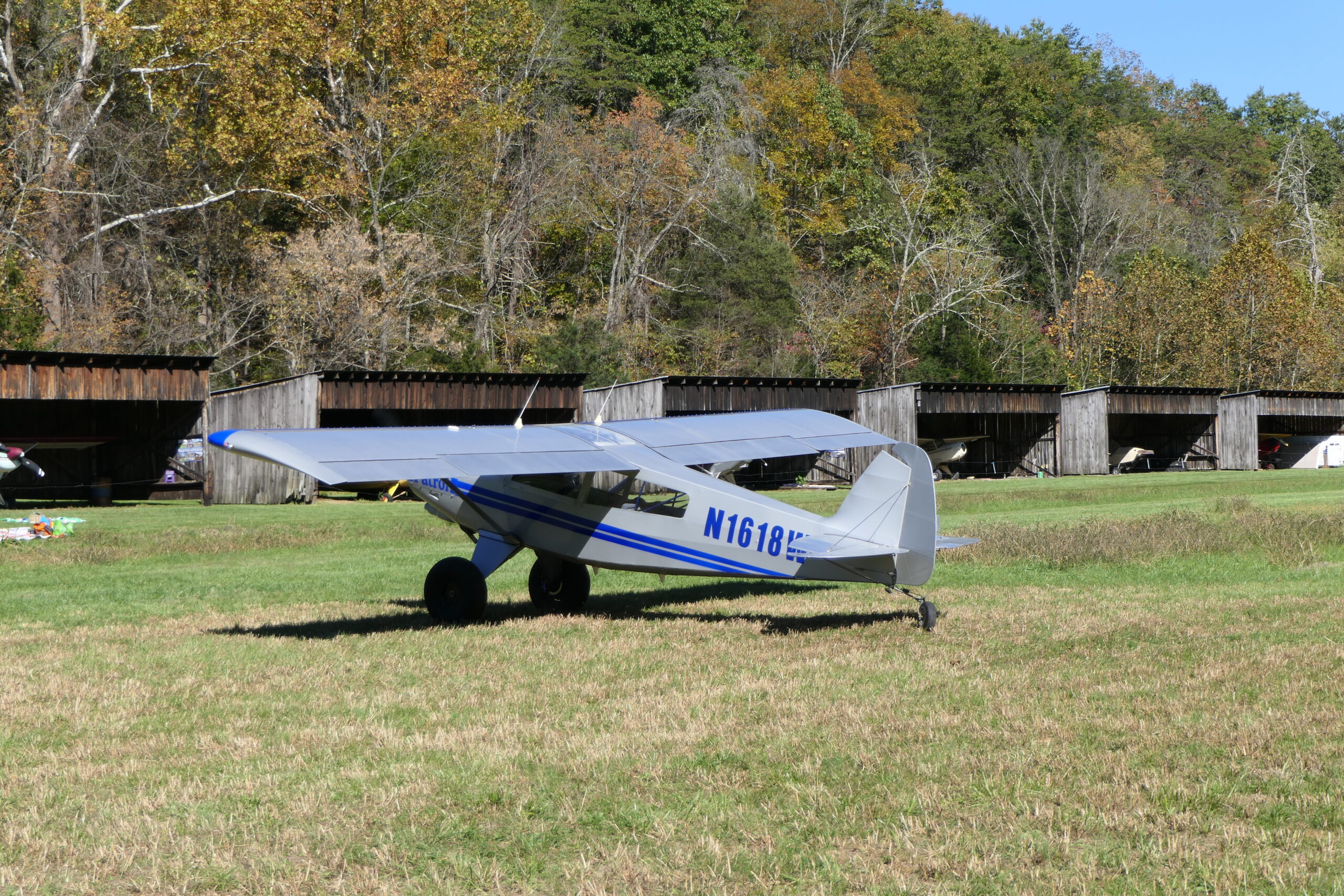
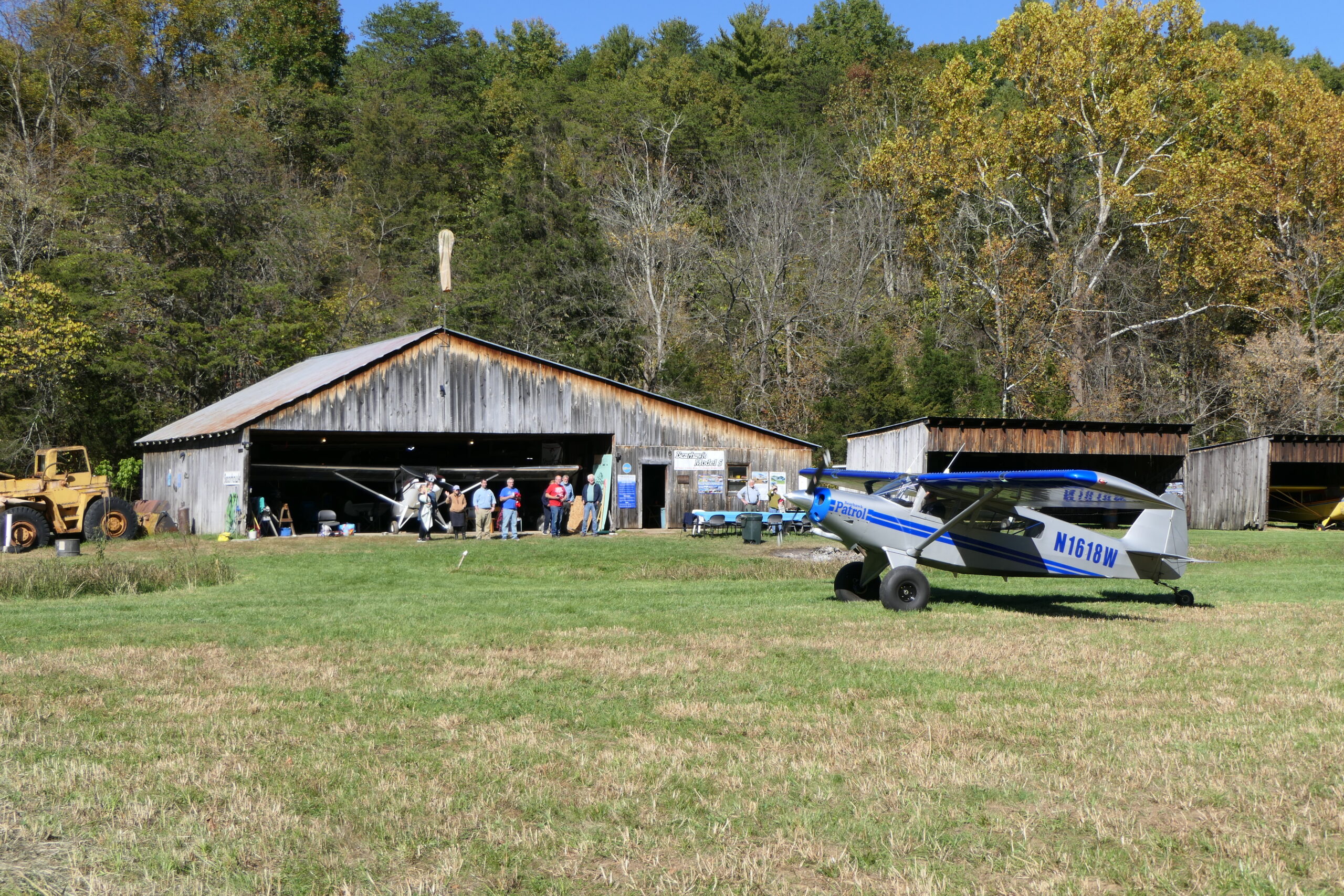
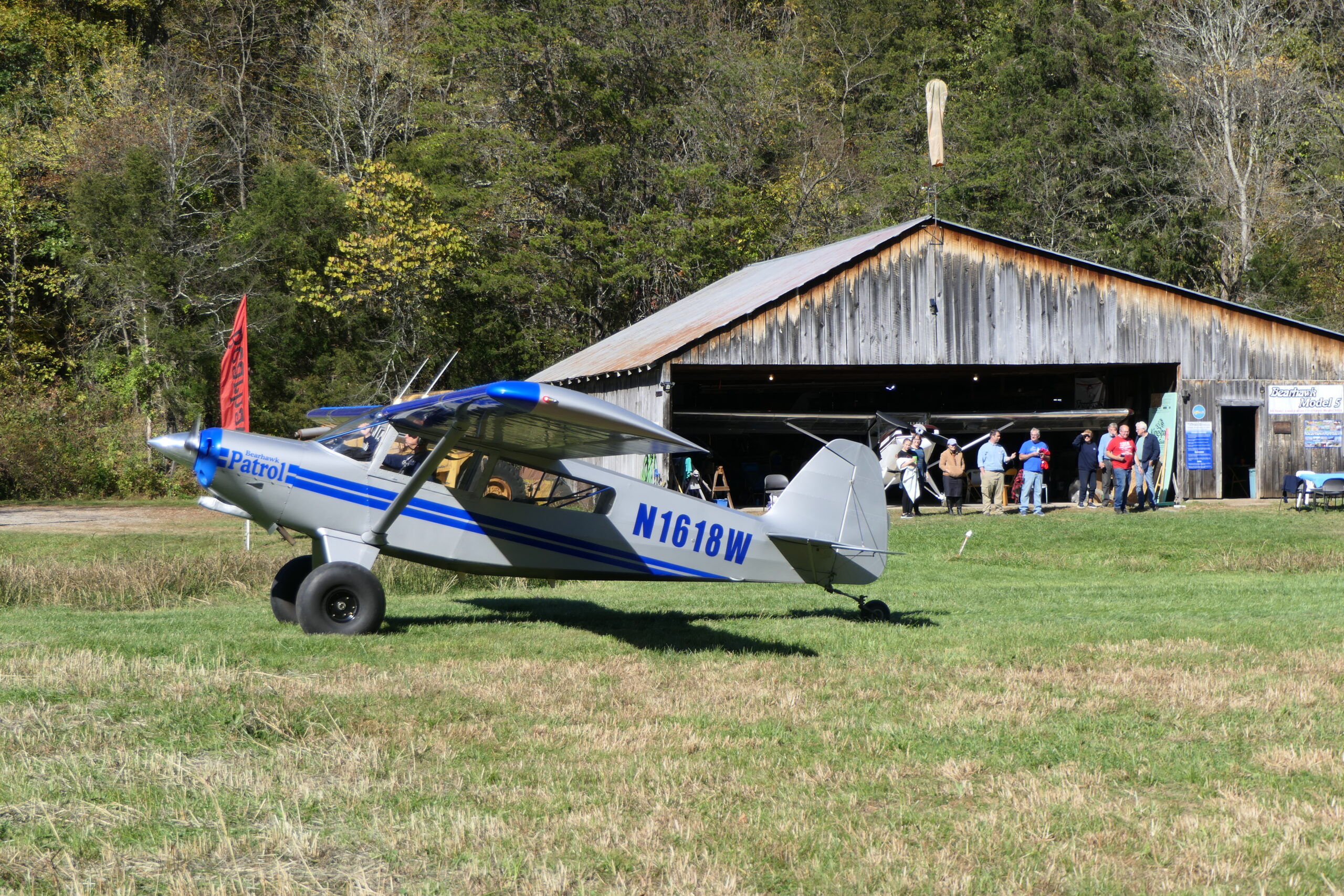
We set up camp beside a few friendly camper folks and waited for the others to arrive. Before long, Peter Brown from Bearhawk landed in the factory Patrol, and the little camp began to grow into a village.
Later, Harry Beaupre invited us to join him for a local intro flight in his Kitfox. He led us over Mountains, across BLM land, past geysers and ridgelines—showing us how free you can feel when the world below is open country. Landing on mountaintops and short one-way strips was surreal—a mix of exhilaration and respect for the terrain.
But as the West often does, the weather turned. Rain began to fall, and it didn’t stop. In just 24 hours, the dry lakebed received an inch of rain—out of its usual seven inches a year. The once-dry surface became a sticky mess of thick clay. Every step added a pound of mud to our shoes. We didn’t bring boots, so we trudged carefully between camps, laughing at the absurdity of a “High Sierra Fly-In” that had suddenly turned into a lakeside retreat.
What stood out most was the people. Fellow pilots and campers offered us food, warmth, and even space inside their RVs to dry off. The sense of community was unmatched—it reminded us that aviation isn’t just about airplanes; it’s about people who share the same stubborn passion for flight.
When the skies cleared, the desert dried fast—faster than anything we’d see in the Midwest. Attendance was lower than previous years, but still remarkable. We saw everything from Mark Patey’s Pilatus to homebuilt experimentals that had crossed the country just to be there.
Each morning, Melanie brewed coffee and cooked a small freeze-dried meal on our Jetboil stove, a little luxury that felt like a feast. Around lunchtime and dinner, the offers rolled in—fellow campers inviting us to share grilled meals and stories.
Peter zipped around on his Onewheel, while Melanie and I explored the lakebed on our folding e-bikes. Transportation is essential out there; what looks close in the desert is often miles away.
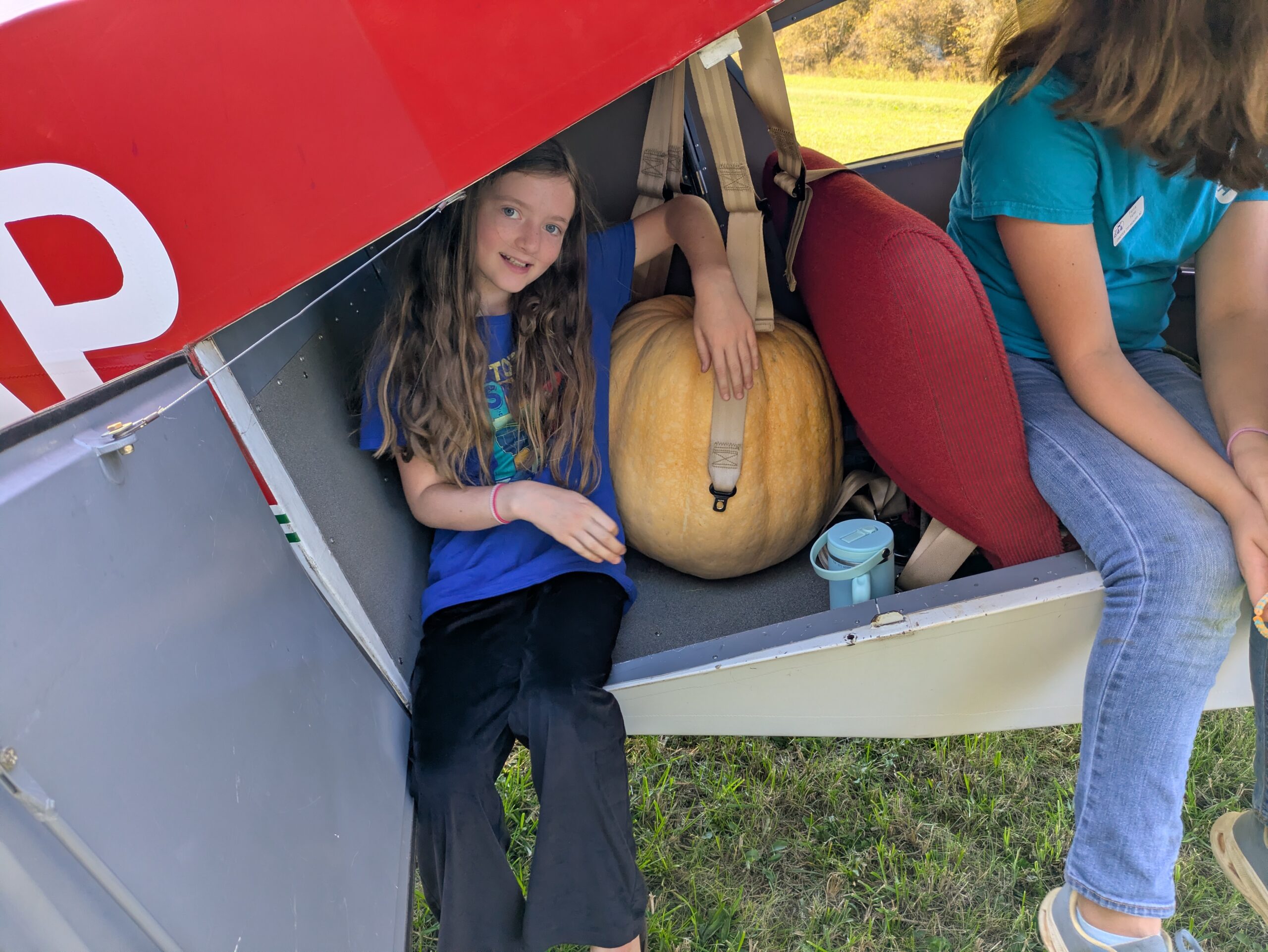
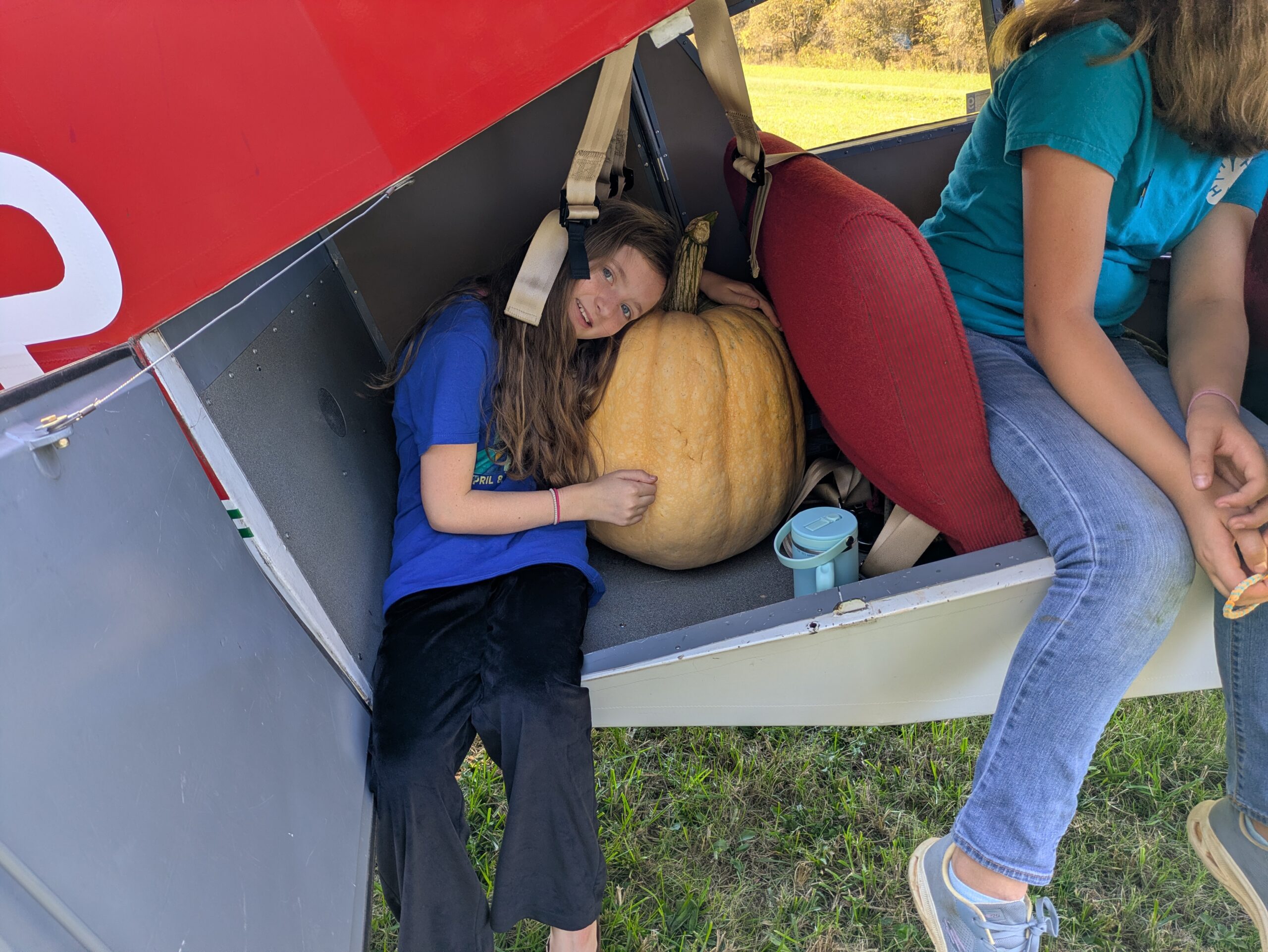
The Bearhawk 5’s enormous cargo space made it all possible—two e-bikes, a cooler, solar panels, a tent, and still room to spare. Even Peter’s Patrol carried more than most pilots would believe: a Onewheel, generator, cooler, and more—proof that these airplanes are truly made for adventure.
Once the mud hardened back into its desert crust, the flying resumed. We explored the surrounding BLM lands, landing on dirt roads, dry washes, and even a stretch near a hot spring. It’s the kind of flying that feels like freedom itself—the kind that just doesn’t exist back home in Indiana.
We wrapped up our time at the Fly-In watching the STOL Drag competition, a crowd favorite. It’s an amazing event because you quickly realize it’s not about money or machines—it’s about skill and heart. “Fly what you bring” was the unspoken motto, and it fit perfectly.
When the event wound down, we said goodbye to Peter as he headed back east. Melanie and I decided to keep going west—wherever the sky took us. Our next stop: Shelter Cove, California.
The flight was stunning—from desert to mountains to the blue sweep of the Pacific Ocean. Shelter Cove is a tiny coastal town with a runway right on the shoreline, a picture-perfect landing spot. We checked into a small Airbnb, pulled out the e-bikes, had a drink at the local pub, and watched the sun sink behind the lighthouse. It was one of those perfect aviation days you never forget.
The next morning, we aimed for Napa Valley. Melanie had never been, and we couldn’t resist. The weather was IFR, but the Bearhawk 5 was built for it: dual Garmin G3Xs, a GFC 500 autopilot, and a GTN 650 navigator. We filed IFR and shot the ILS into Napa, just like we do for our day jobs.
Once on the ground, we unfolded the e-bikes again and spent a couple of days tasting wine and exploring the valley. We even brought home more than a few bottles .
After Napa, it was time to turn east. With 74 gallons of fuel and 300 horsepower up front, the Bearhawk cruised at 150 mph, making the trip from the Pacific Ocean back to Indiana in just four legs.
The airplane performed flawlessly, carrying us over mountain ranges, plains, and cities—a rolling tapestry of America at times over 10,000 feet. It was an amazing trip, one we’ll never forget.
Next year, we plan to do it all again—maybe with a camper this time. But no matter what, the Bearhawk 5 will be there, ready to go wherever the horizon leads.
For us, this wasn’t just a flight. It was a proving run—a celebration of what homebuilders can create and what aviation makes possible. From the heart of Indiana to the High Sierra desert to the Pacific coast, we saw America in a way only pilots can.
As we touched down back home at Terre Haute (KHUF), now with over 100 hours on the airplane, we knew one thing for certain: the Bearhawk 5 had earned its wings—and a permanent place in our hangar.