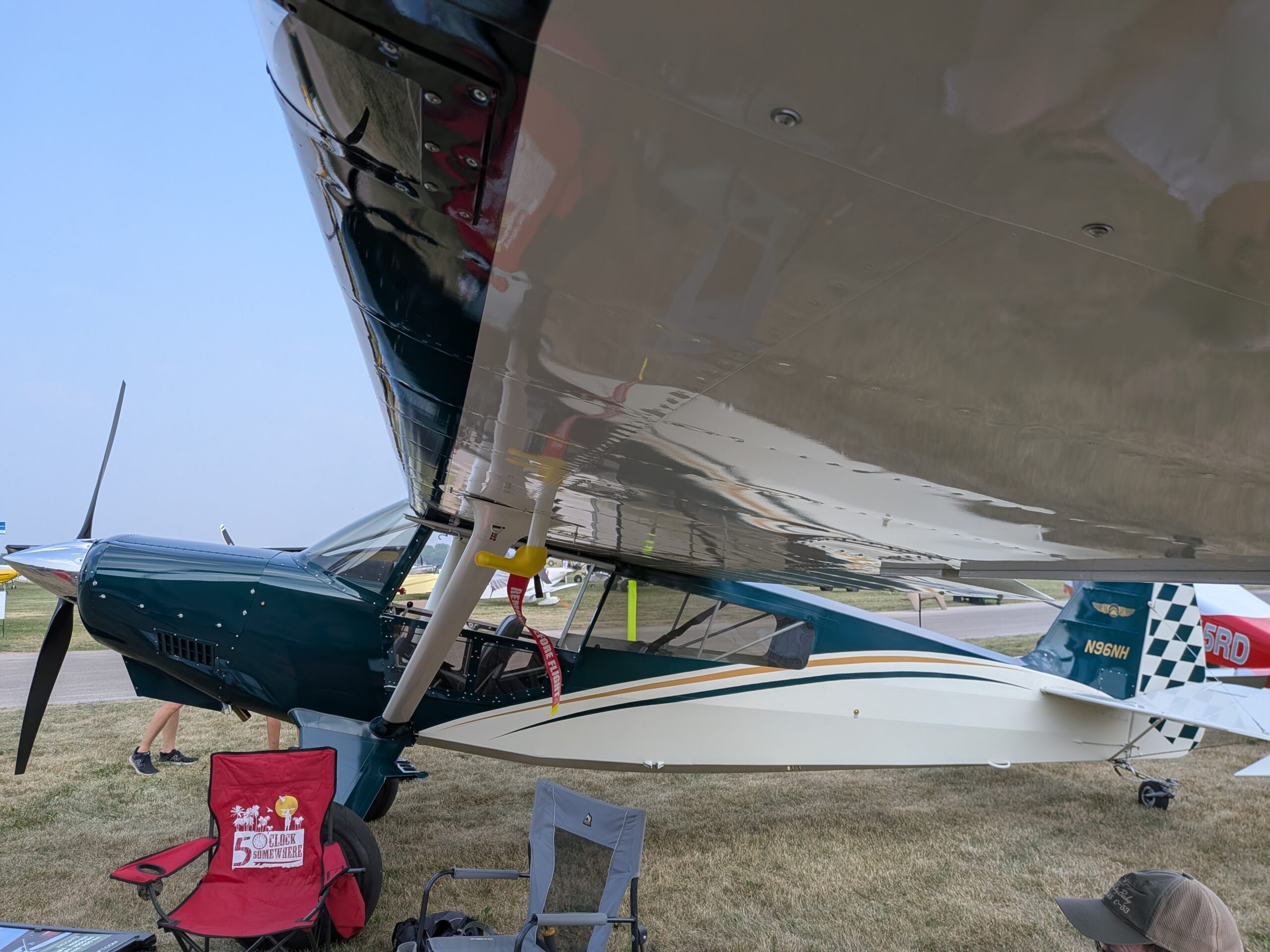
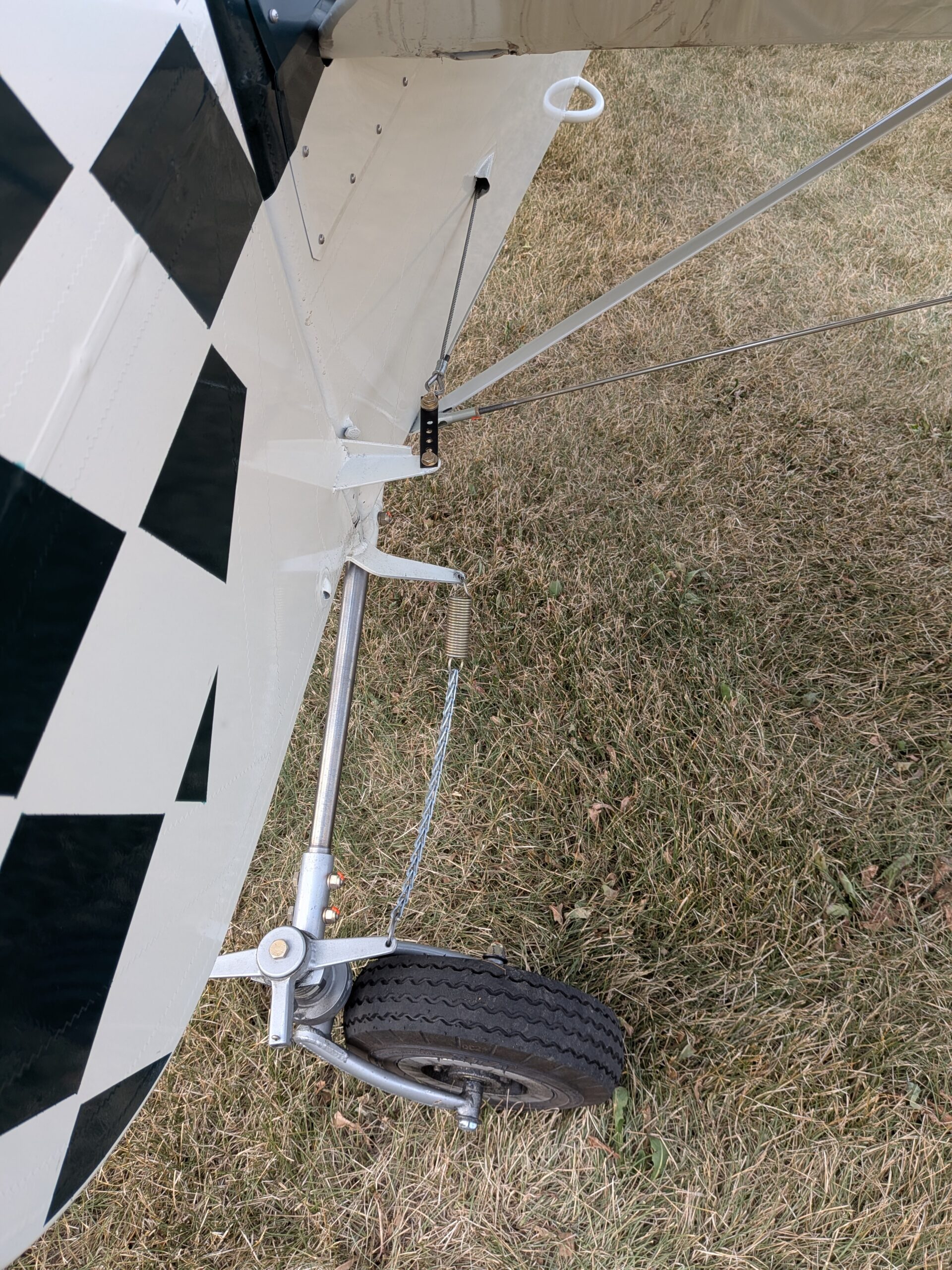
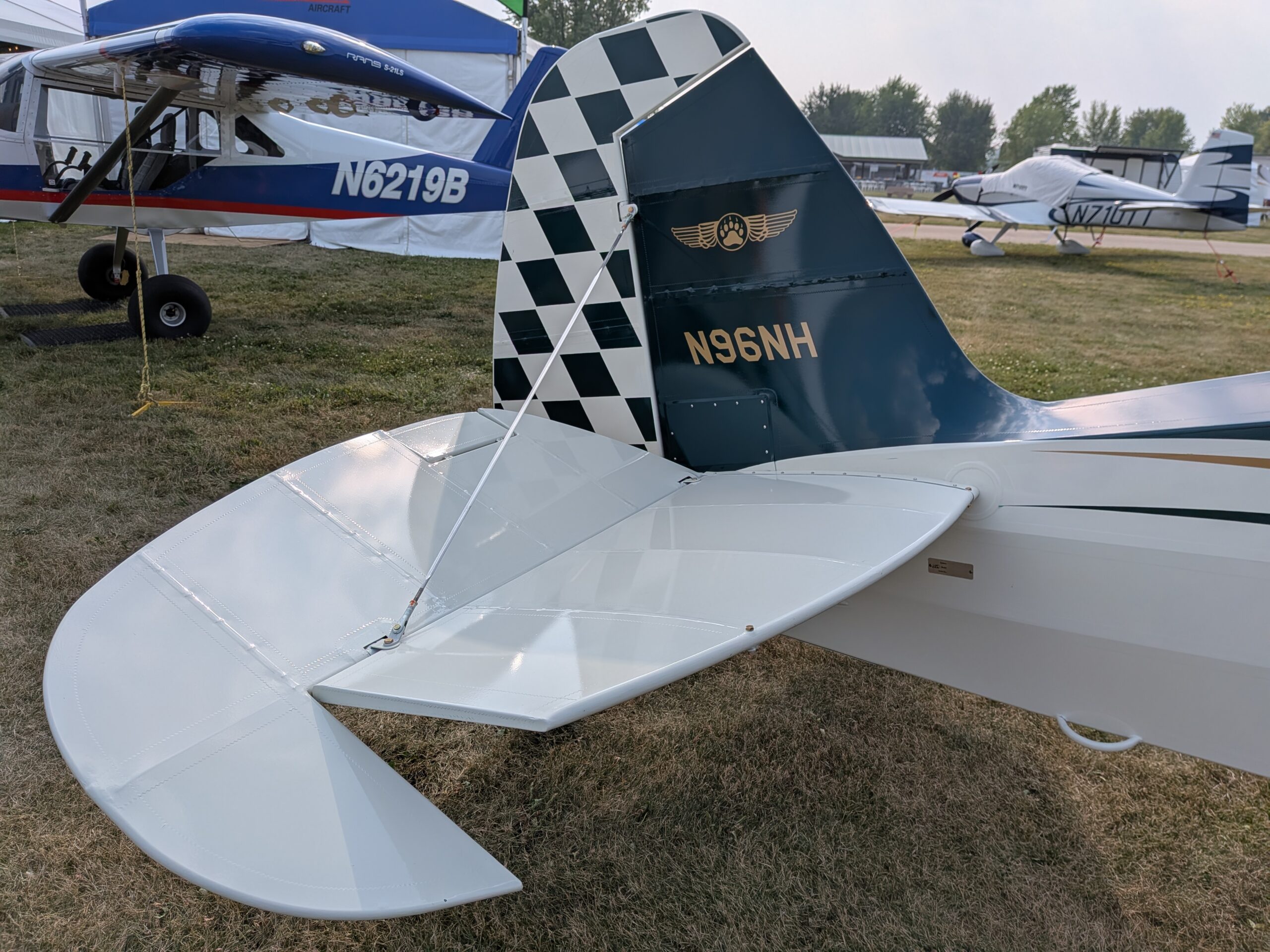
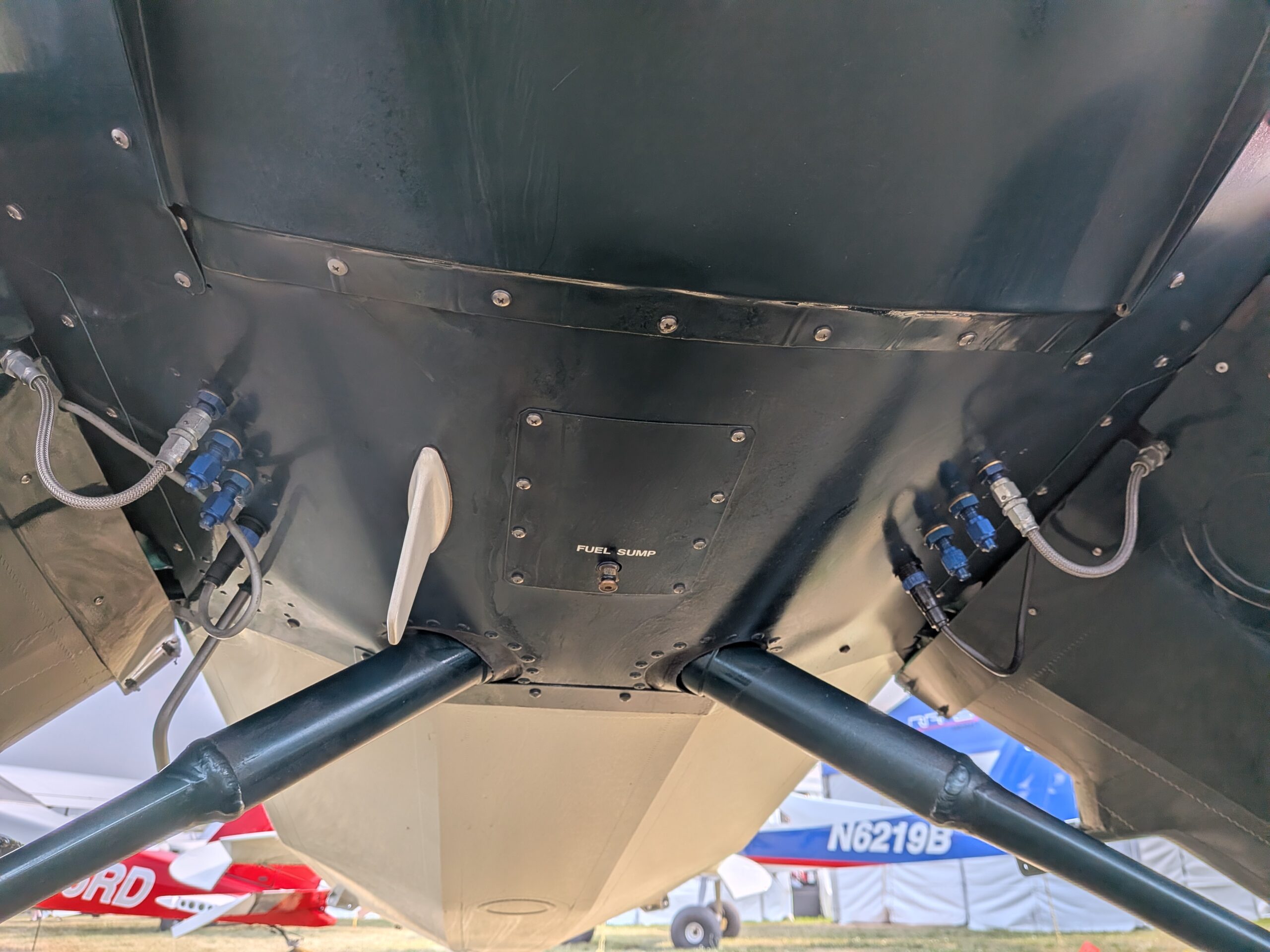
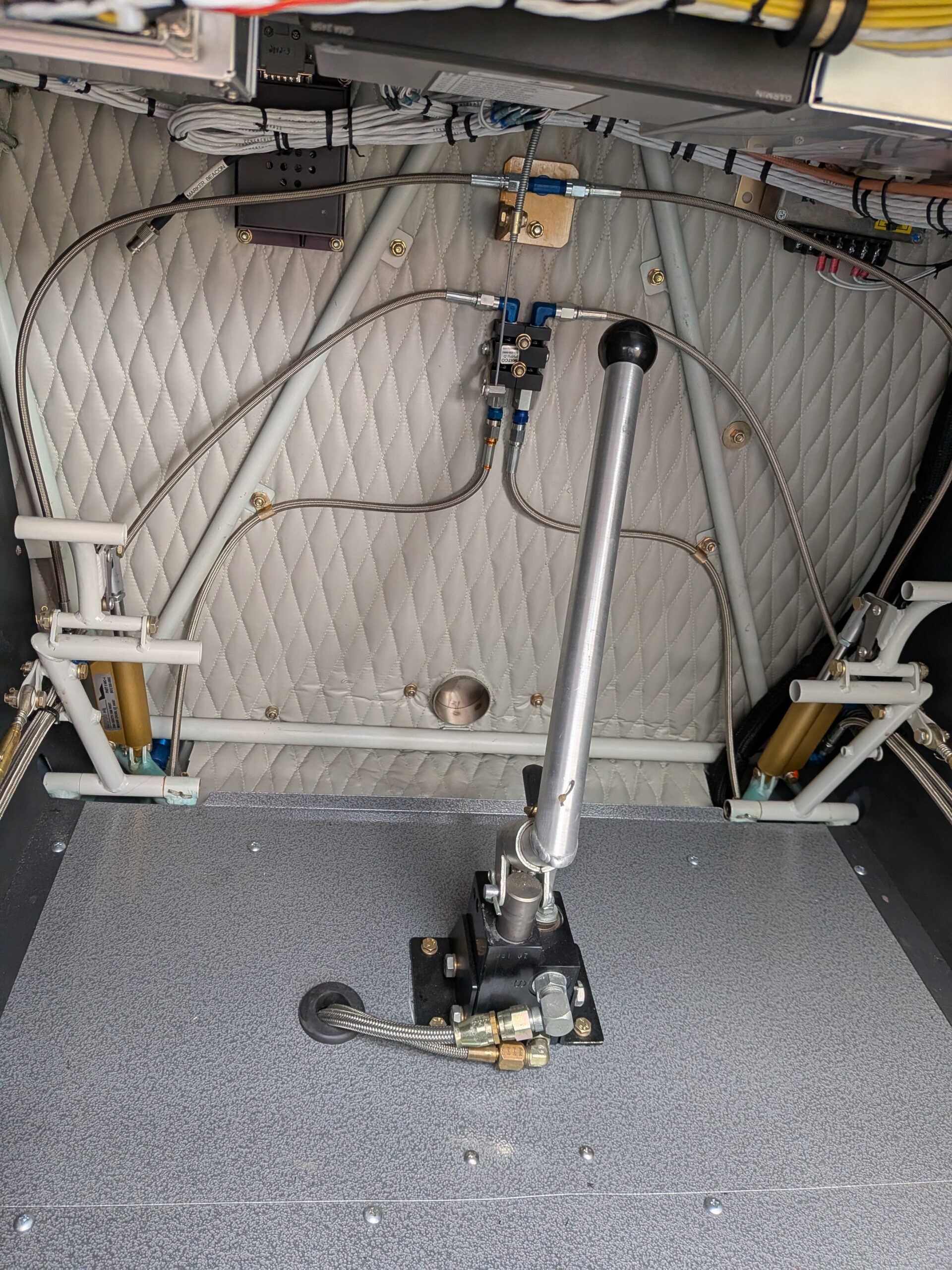
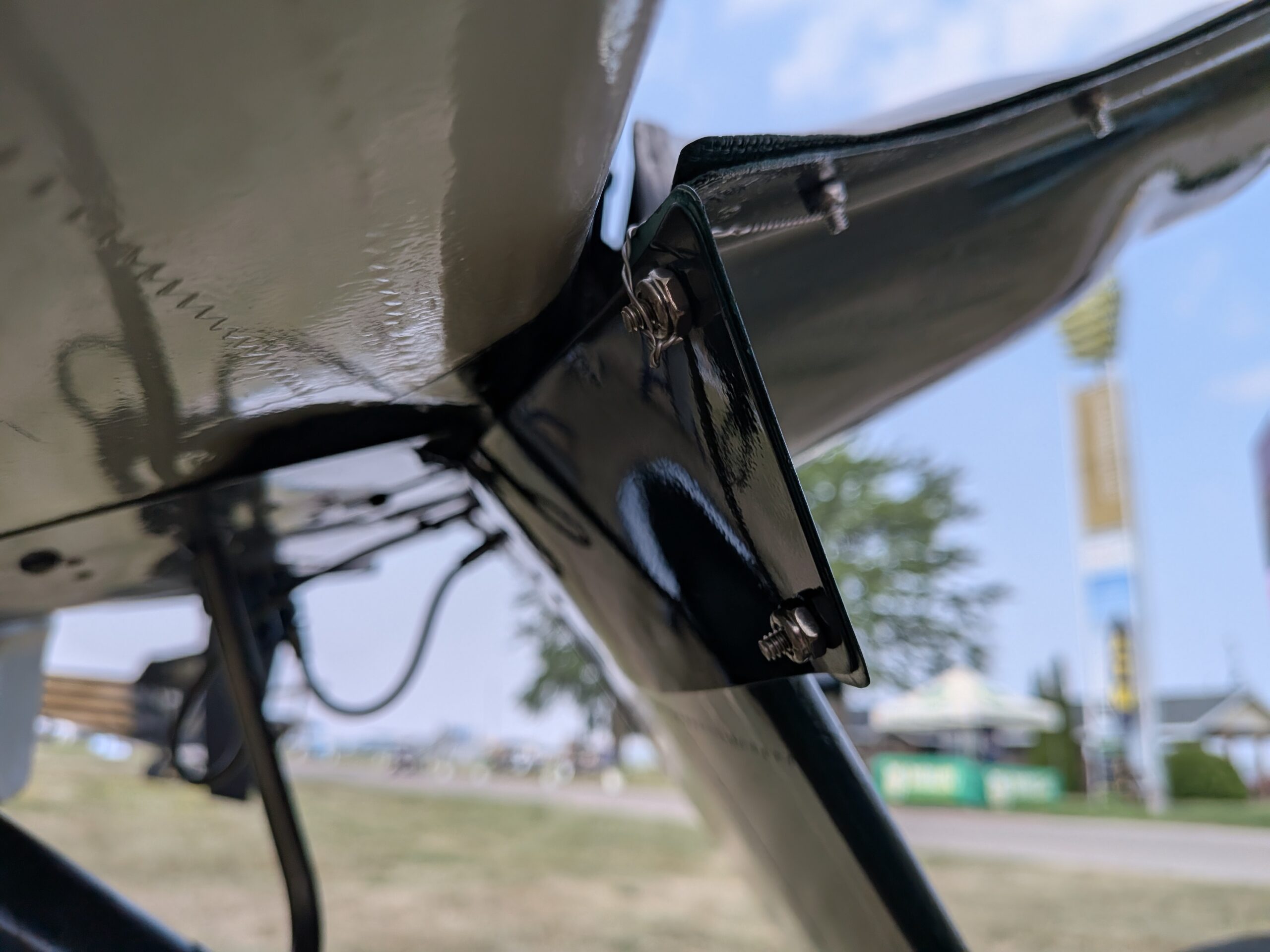
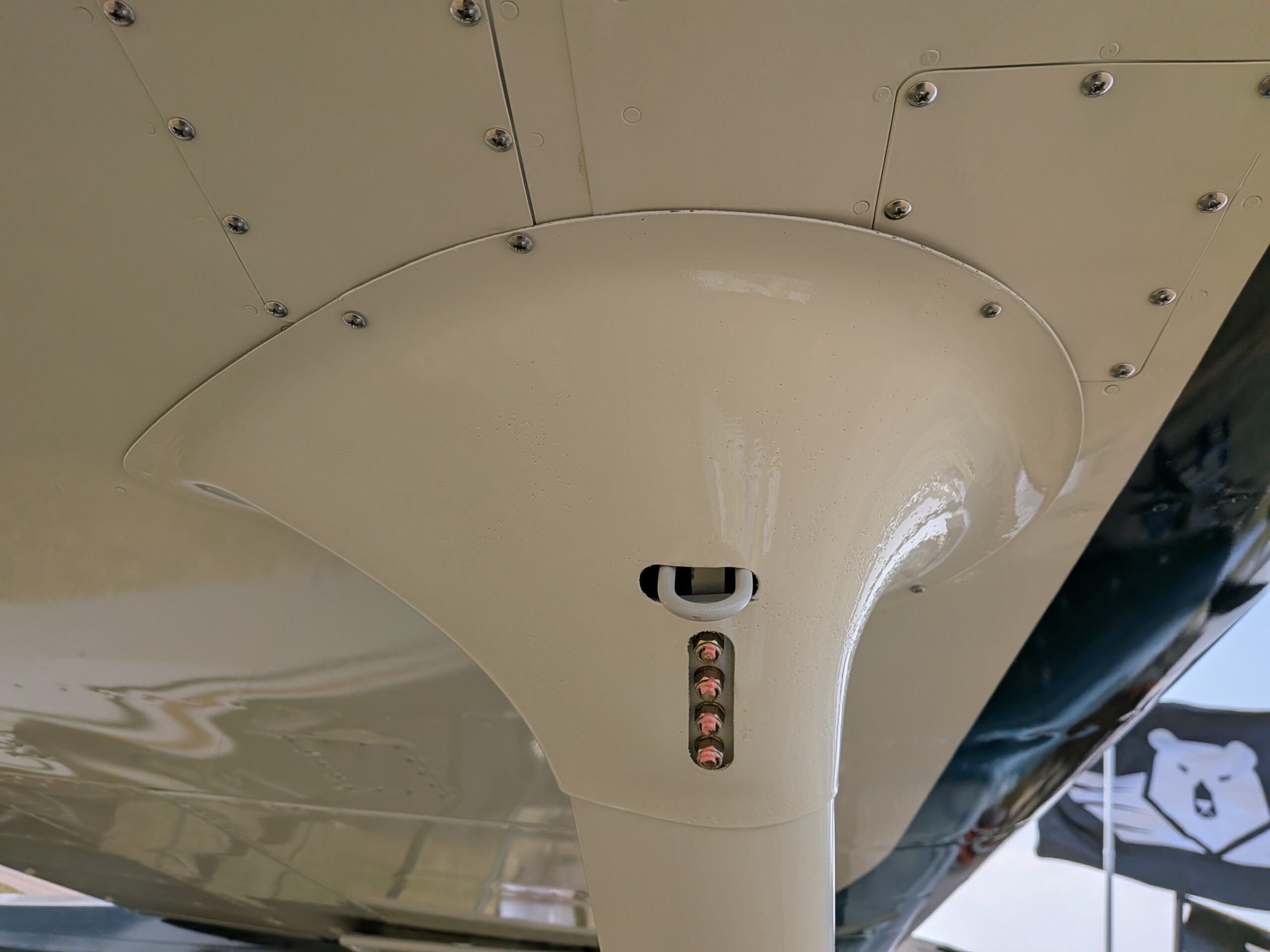
Here are a few details of the float accommodations on this Bearhawk Patrol:


 Ai
Ai
Here are a few details of the float accommodations on this Bearhawk Patrol:
Ai
This Patrol was built from a kit by John Meade. It has extensive float mounting provisions, including hydraulic lines for amphibious landing gear operation.


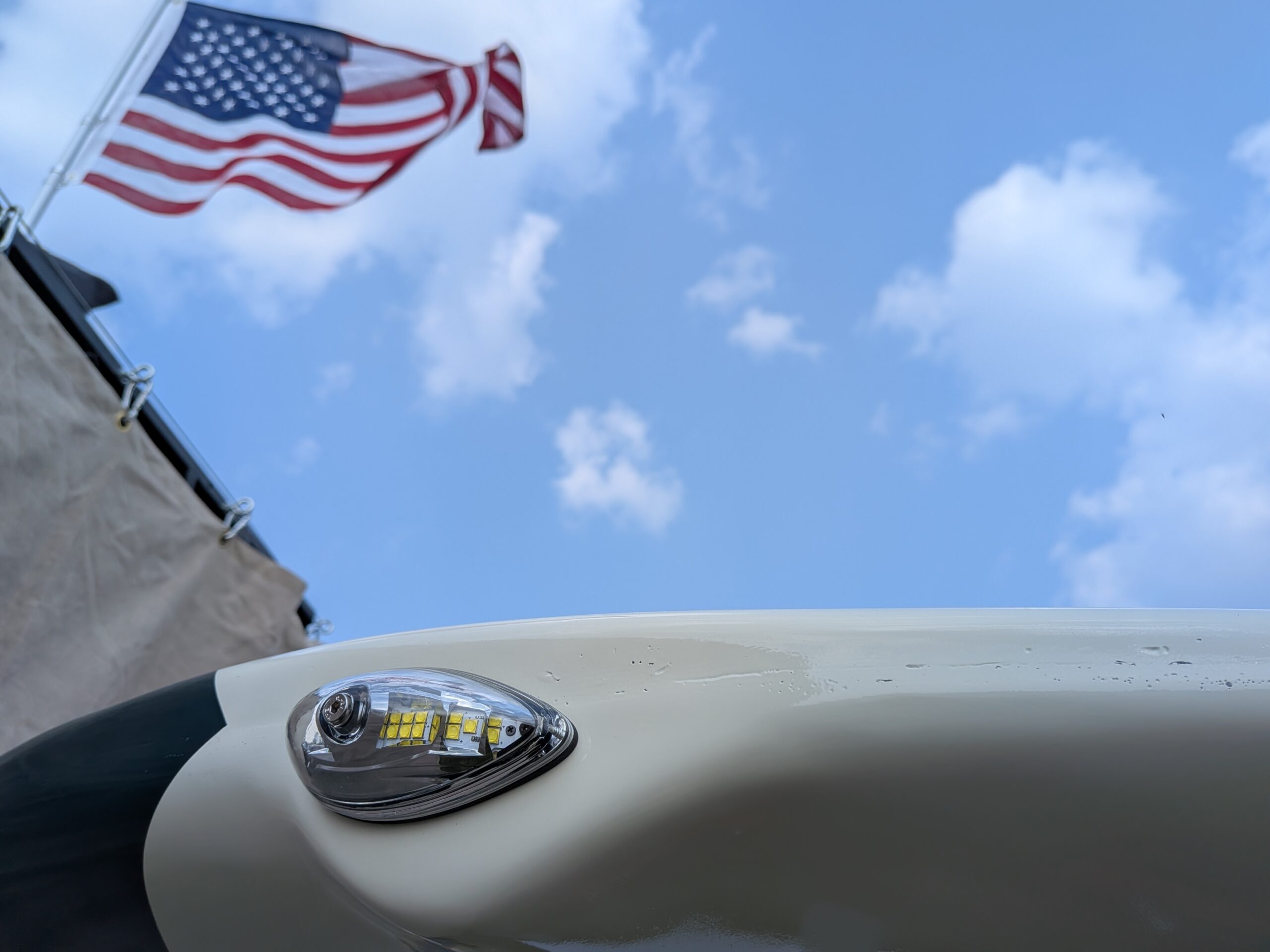


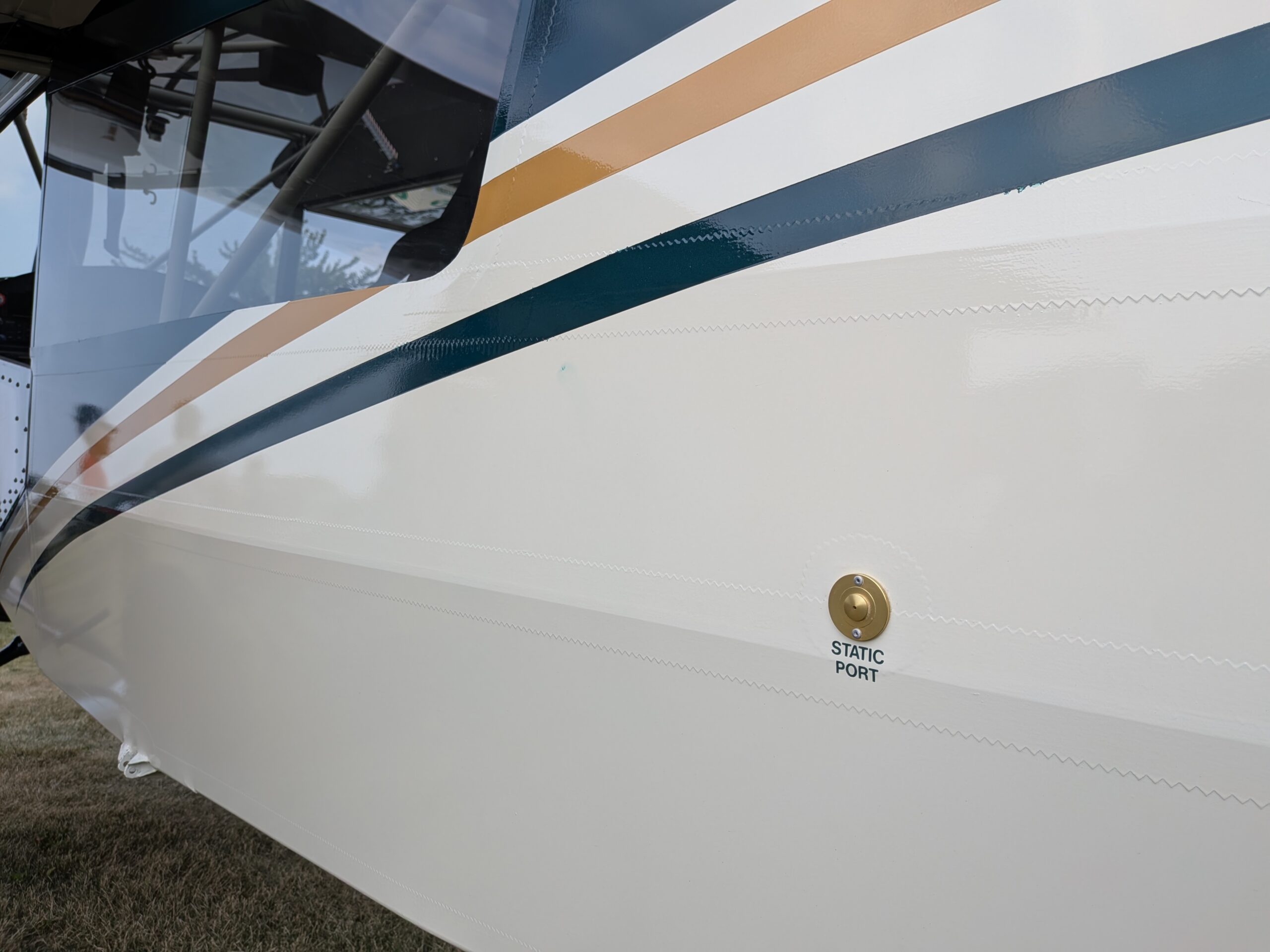








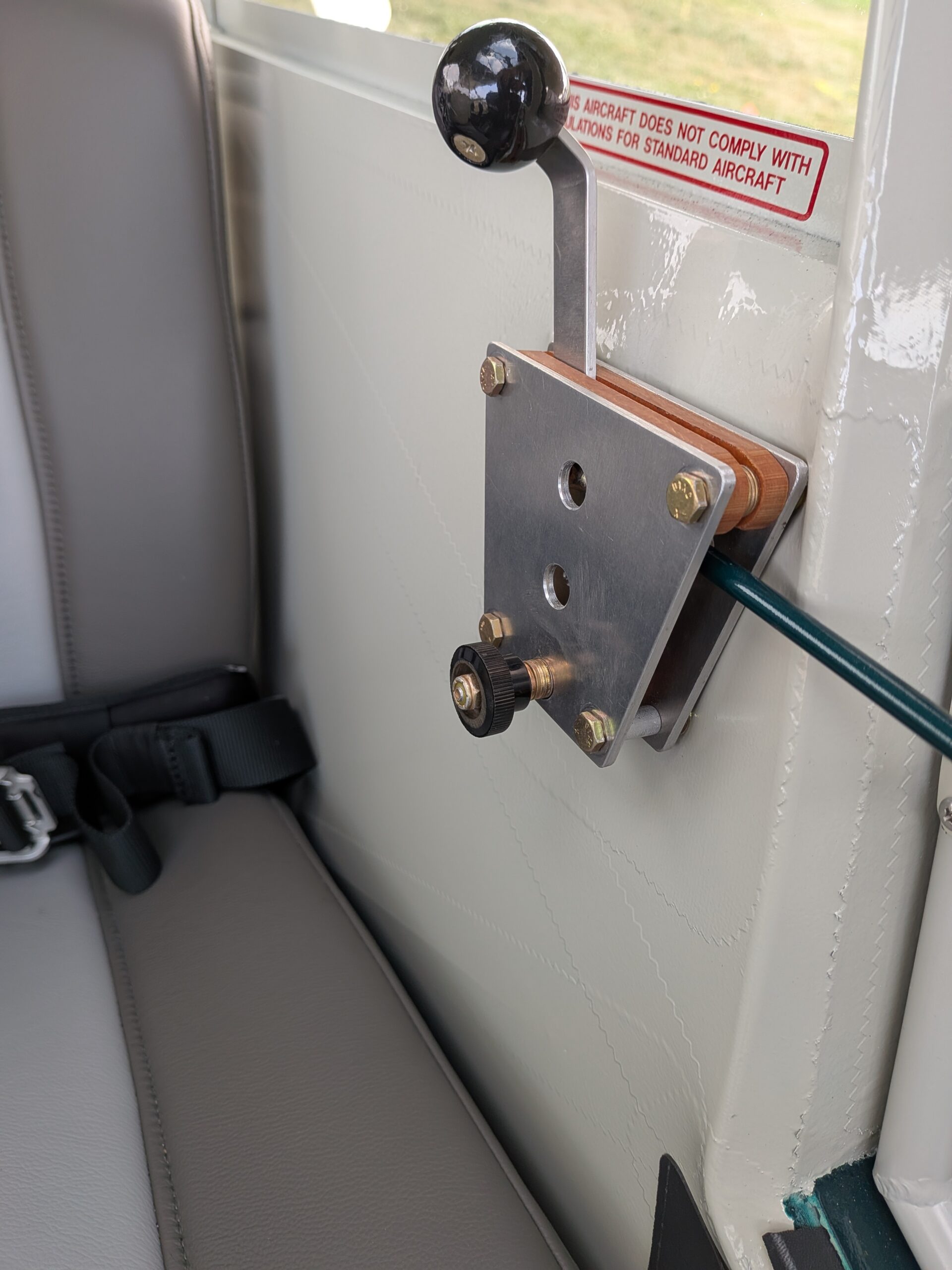
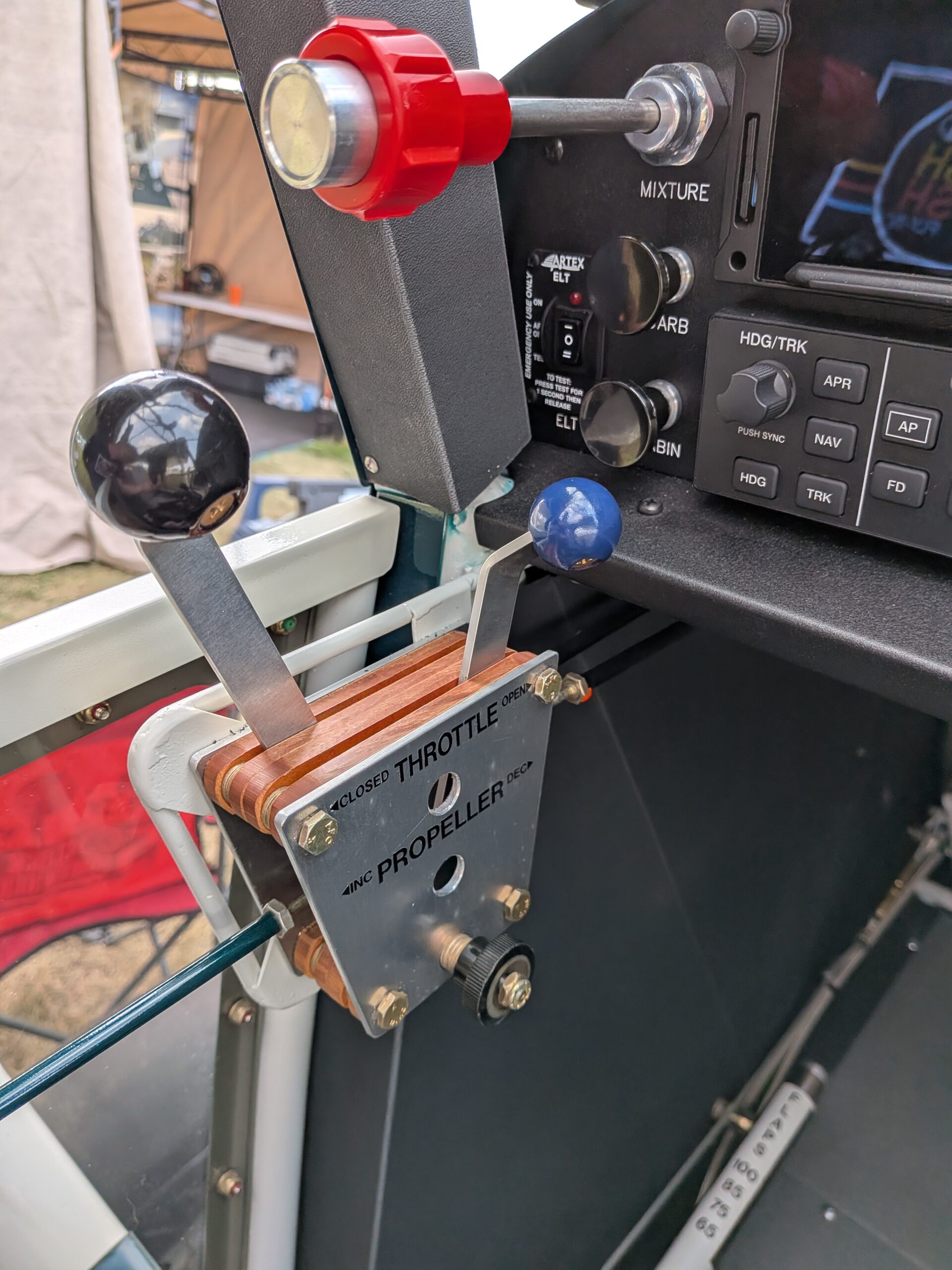
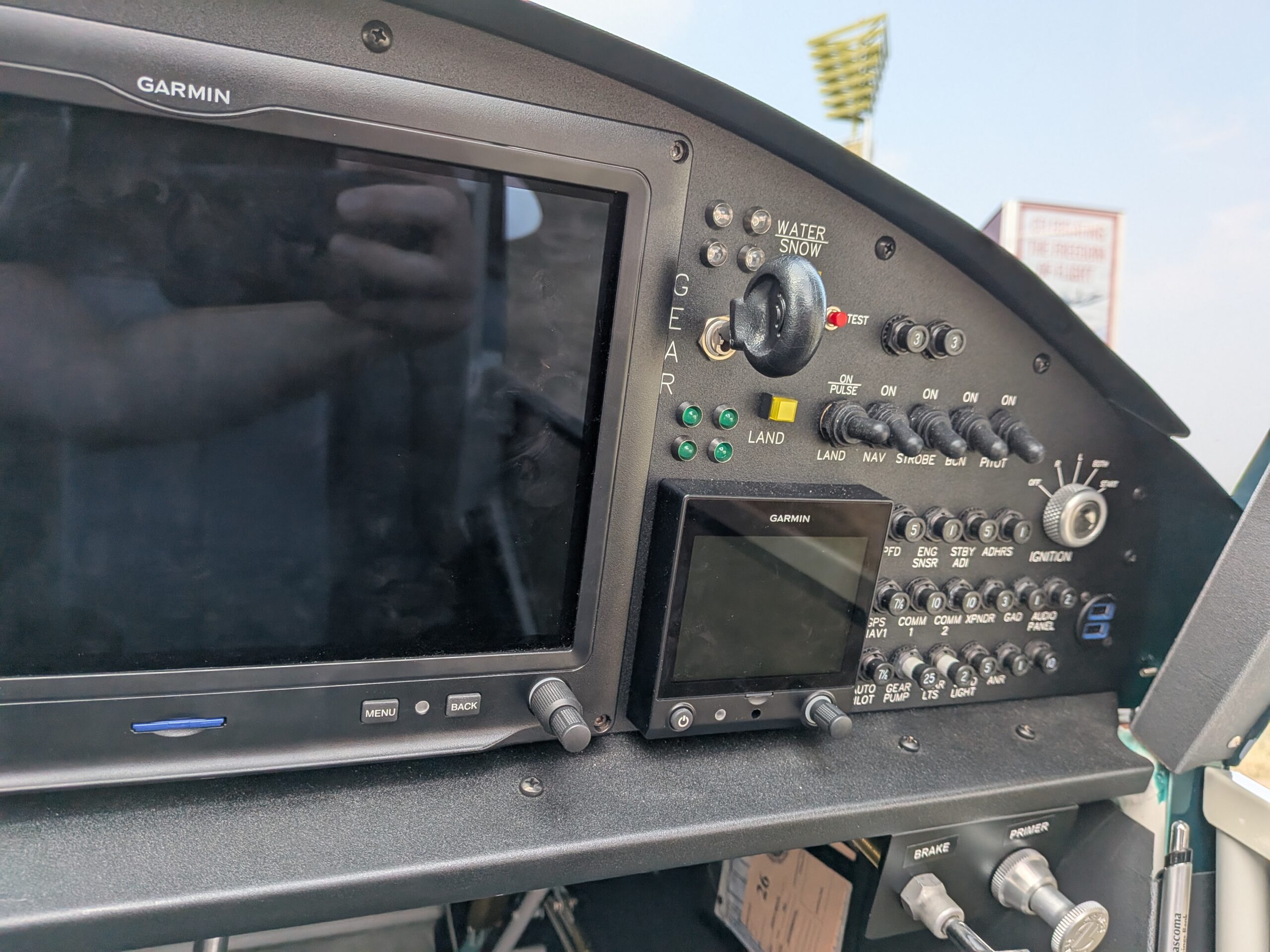
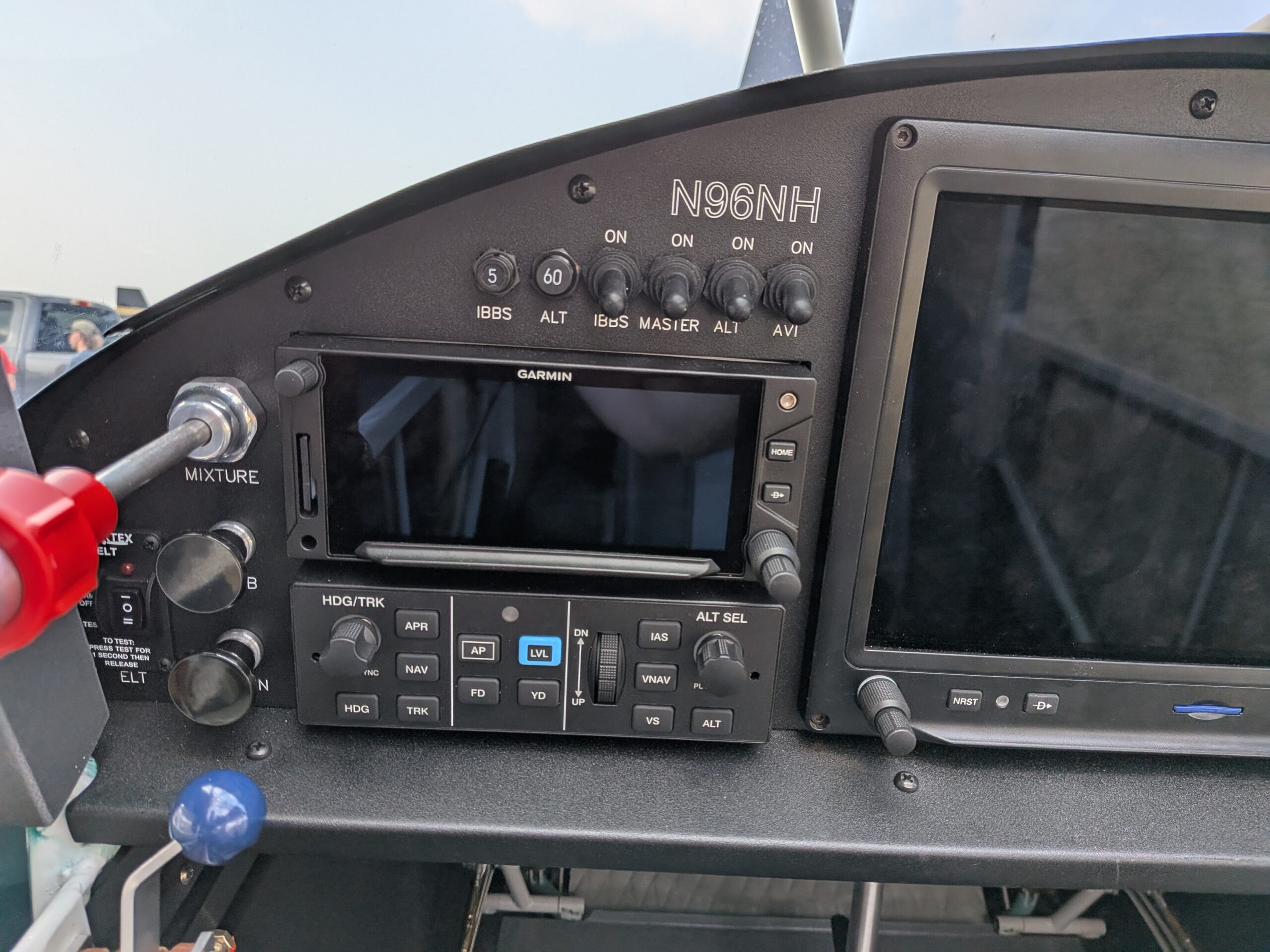
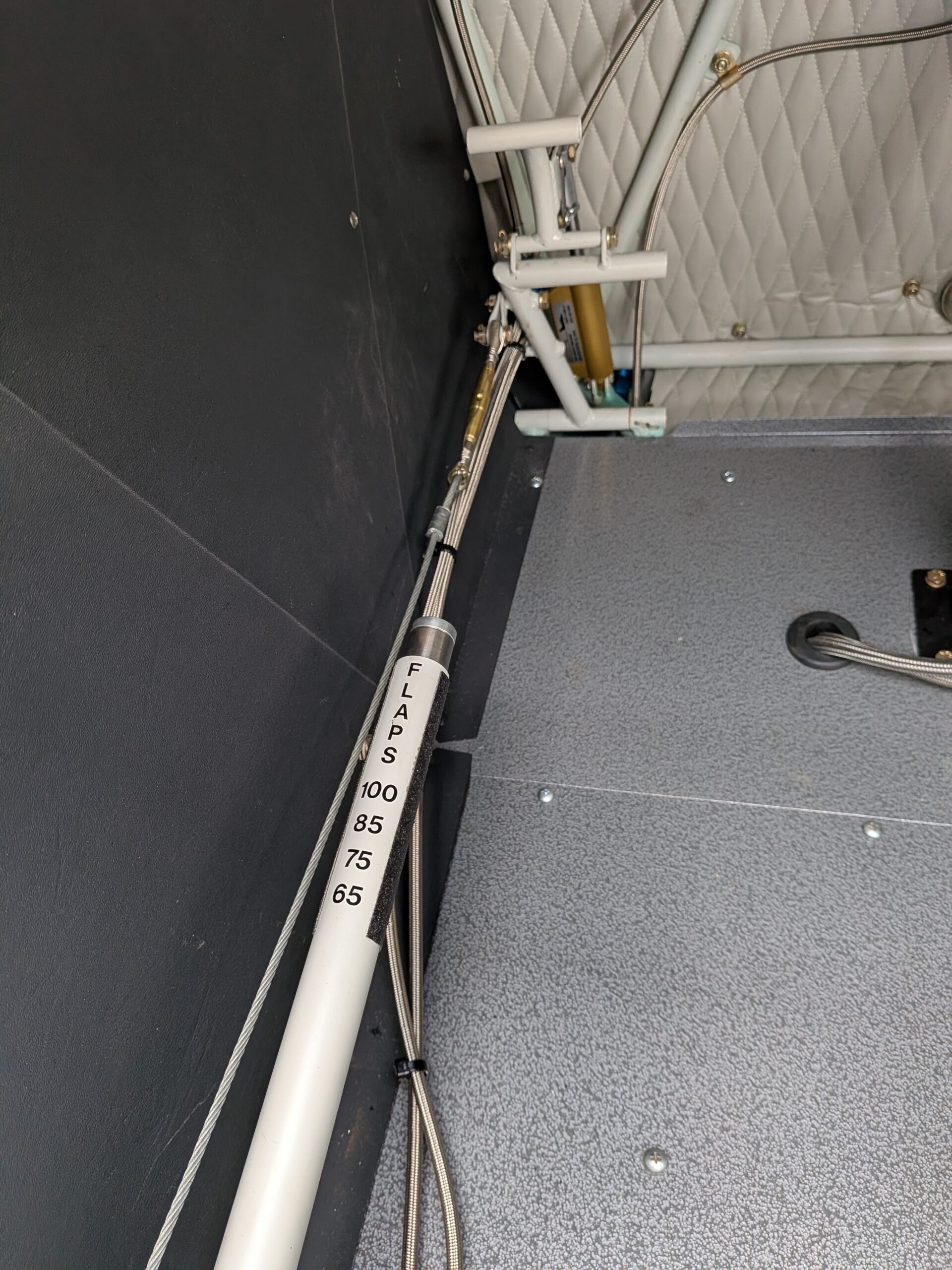
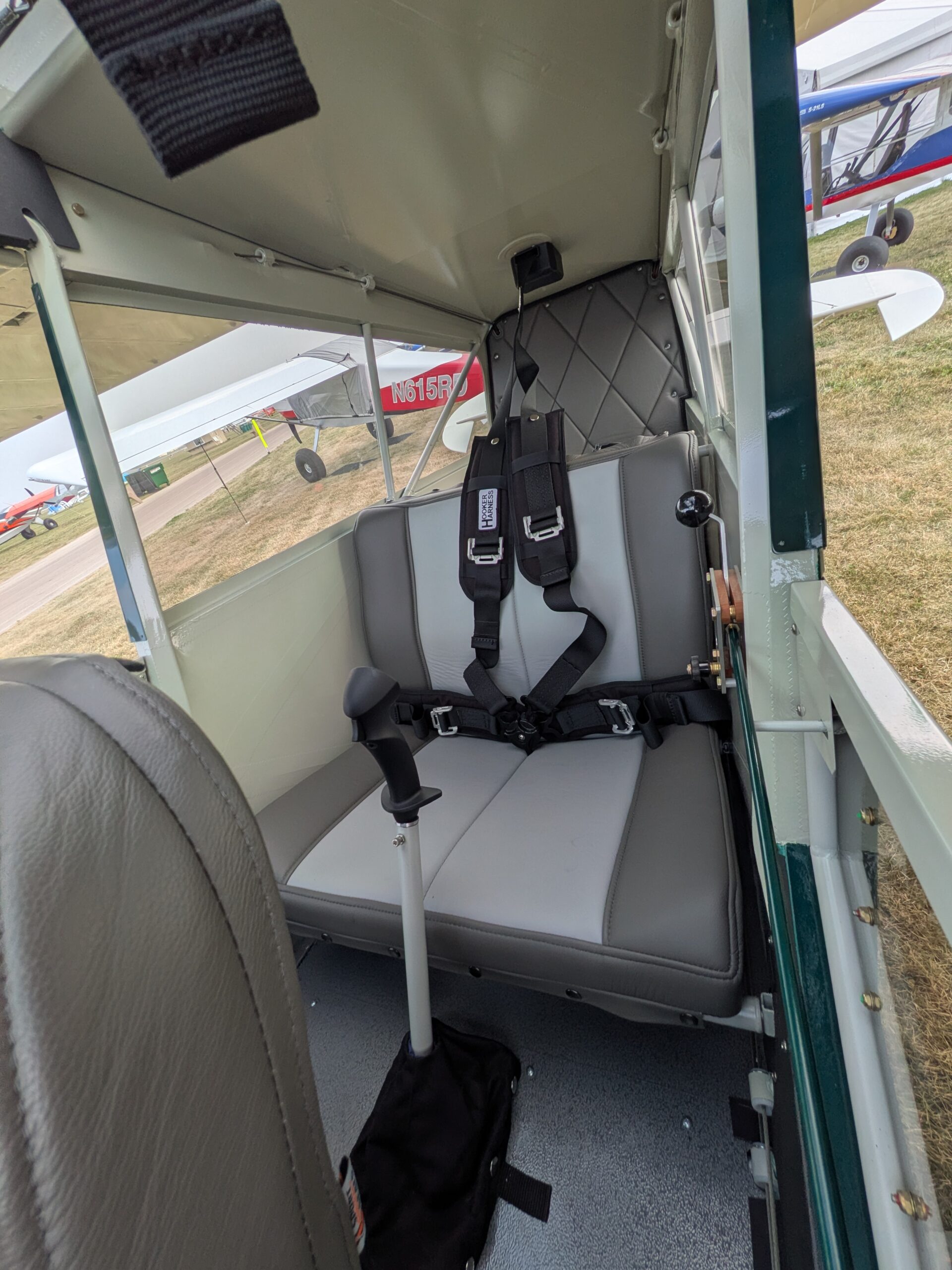
This airplane has doors on both sides, and here are details of the rear seat throttle provisions:
Rear seat brakes:









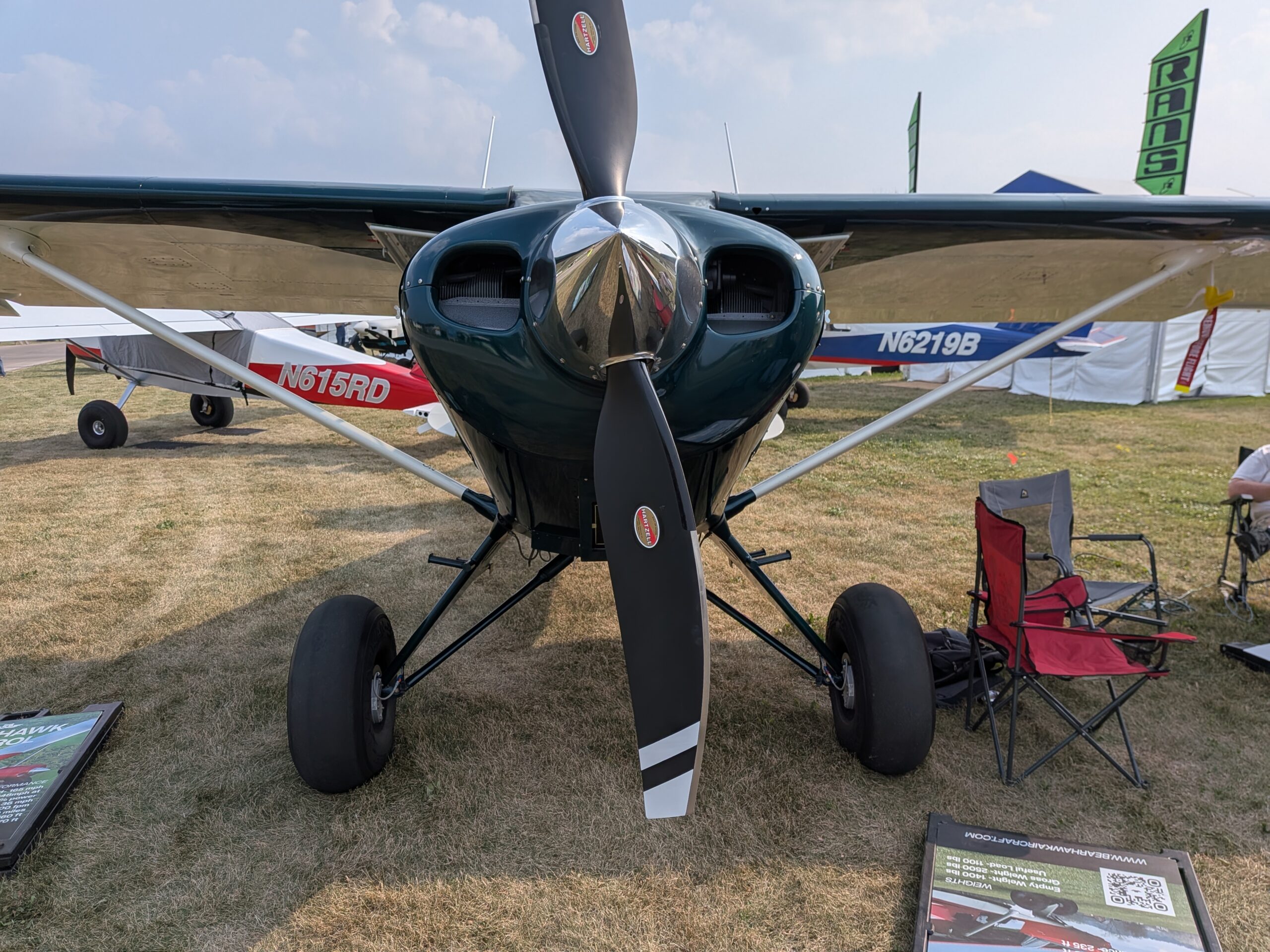


At the Polyfiber booth, there was a display and advertisement for a covering iron that looked interesting. Someone please buy one and let us know how well it works! The website is https://fabricprousa.com


Continuing our coverage of alternative wheels and brakes, here are some photos of similar systems in use on non-Bearhawk airplanes:


Source: 2026 Issue 1 Beartracks
Ryan Spencer is the owner of the 4-Place Bearhawk originally built by Phil Johnson, N125PJ. Last month he made some videos and a Facebook post about using wheels intended for ground Utility Vehicle wheels. There is also a more detailed video of the installation here. Ryan sourced adapters from https://www.stolwheelz.com/ which bolt onto the typical Cleveland/Alaska Bushwheel style brake disk. That adapter then allows for bolting on a large variety of wheels that are manufactured for side-by-side utility vehicles. The machined aluminum adapter hub uses sealed ball bearings, unlike the tapered roller bearings that we see in more traditional aviation setups. There are several tire options, some of which represent a weight savings over similarly-sized Alaskan Bushwheels. Ryan is using a wheel that allows for a bead lock so that he can reduce the tire pressure.
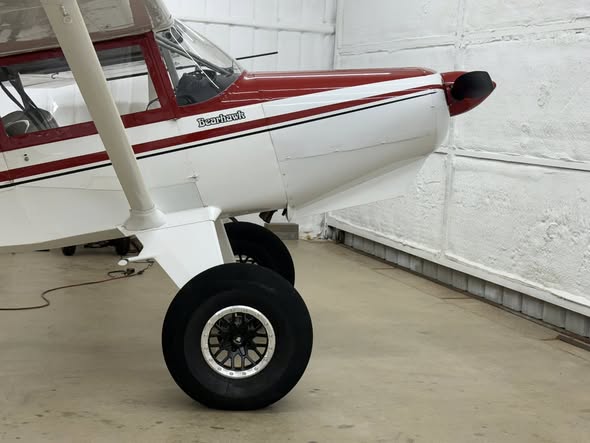
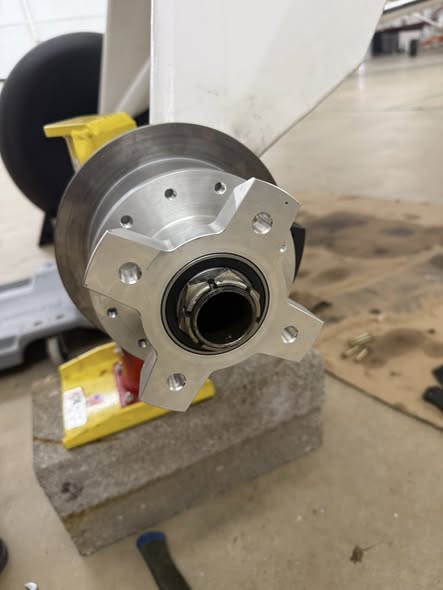
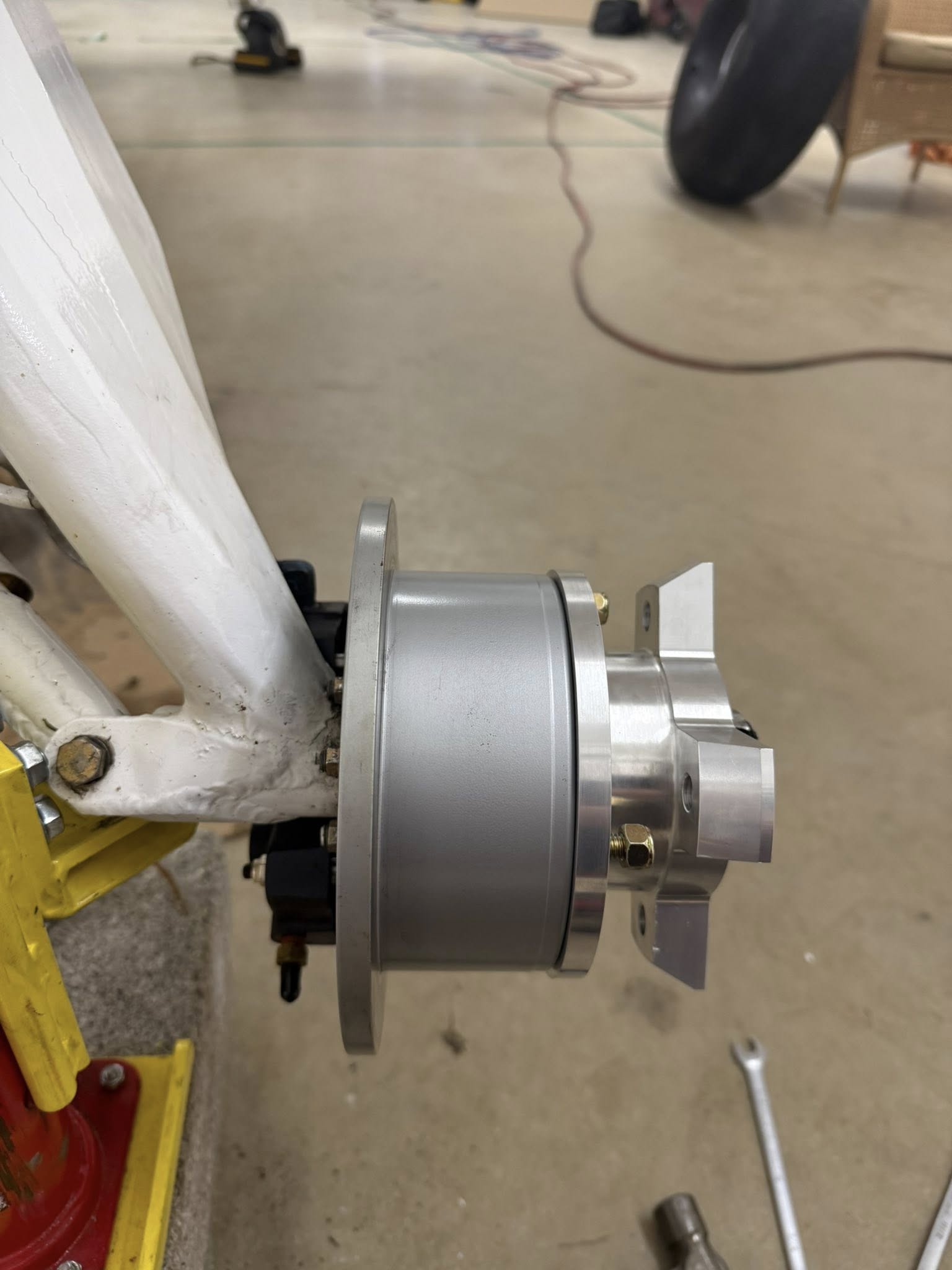
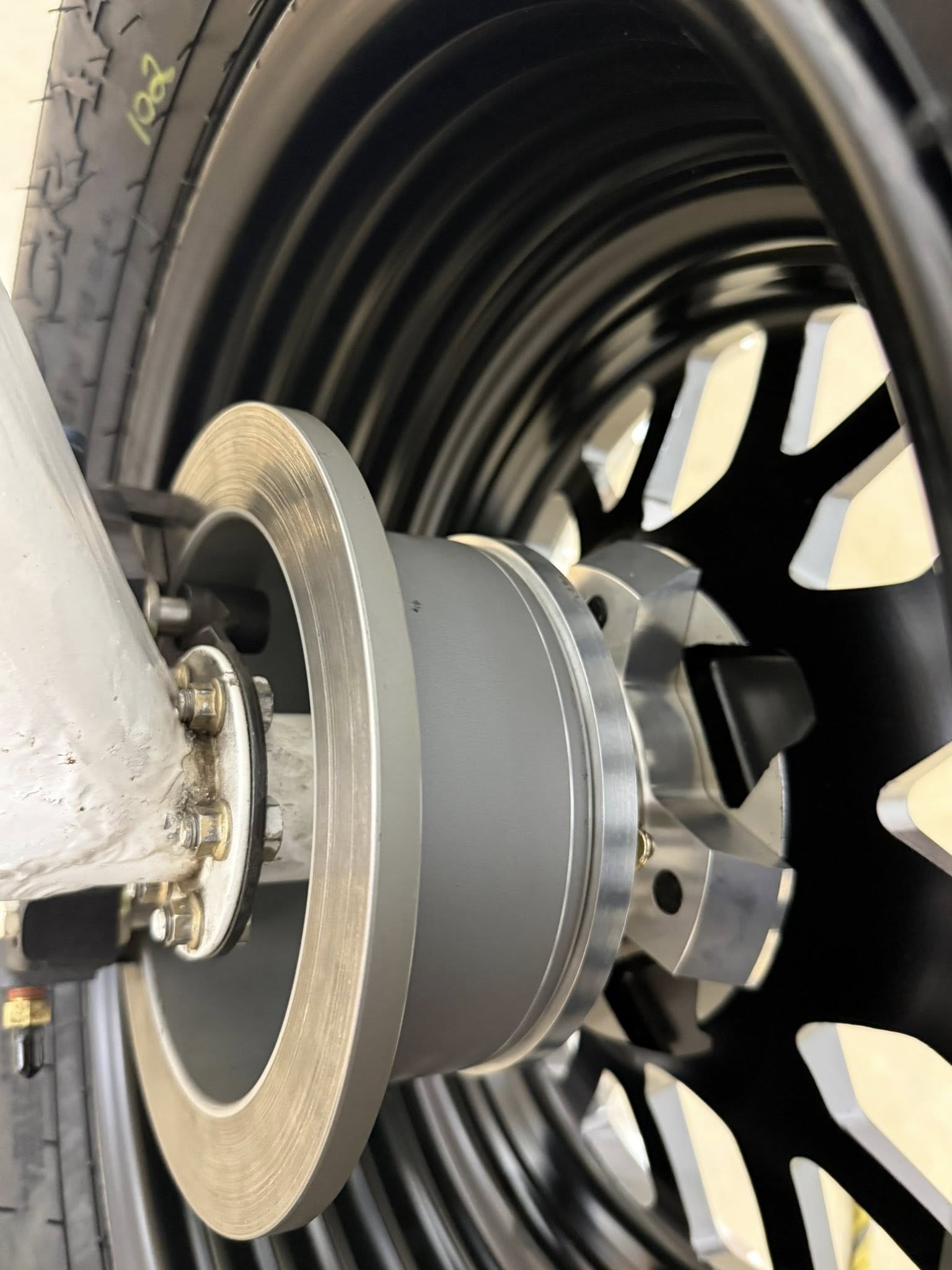
The Facebook post included some discussion about the structural loading of the wheels and the axle, and some questions about whether they would be as dampening as the ABWs, with their shorter sidewalls. These were good questions with good discussions, and while these wheels might not be universally better than the most expensive ABWs in every regard, they provide a significant cost savings and for many types of operation, might prove to be good enough and a good value. As a fellow Bearhawk operator I’m grateful to Ryan for sharing his experience. Compared to even traditional airplane tires and not ABWs, today’s price at Aircraft Spruce for just a single 850×6 inner tube is $227. One 8.50×6 tire is $377. I’m interested to keep an eye on Ryan’s experience with these adapters, and I hope they will serve as a viable alternative.
Technical Q&A With Bob
Builder Matthew Brennan asks about Bob’s use of aramid composite floorboards in his latest plane, instead of aluminum. Matthew says, “Curious if the Kevlar floorboards “sound” any different than aluminum when in flight. Is “drumming” reduced?”
Bob says, “I wear ear plugs when I fly and it’s hard to tell for sure due to all of the rest of the noise, but the composite floorboards should help dampen some of the noise.”
Builder Collin McDonald noticed some ambiguity about the hardware to use when securing the round tailwheel spring to the fuselage, and made a post on the forum to seek clarity. Should those be AN5 or AN6 bolts?
Bob says, “We’ve used 5/16 and we’ve used 3/8 bolts there, and we’ve never had any problems with those bolts. We’ve used 5/16 on the lighter planes and 3/8 on the heavier planes.” Bob has used 5/16 bolts there on his own planes, and adds, “That stinger is hardened steel. It’s a really big job to drill those out. You don’t want to have to do that.”
Summer 2023 Update: Do not operate these cylinders if you are running two pairs (pilot and copilot, etc). More information: https://bearhawkforums.com/forum/safety/84366-safety-update-regarding-bob-s-brake-master-cylinders-in-dual-brake-applications
Source: 2022 Q1 Beartracks
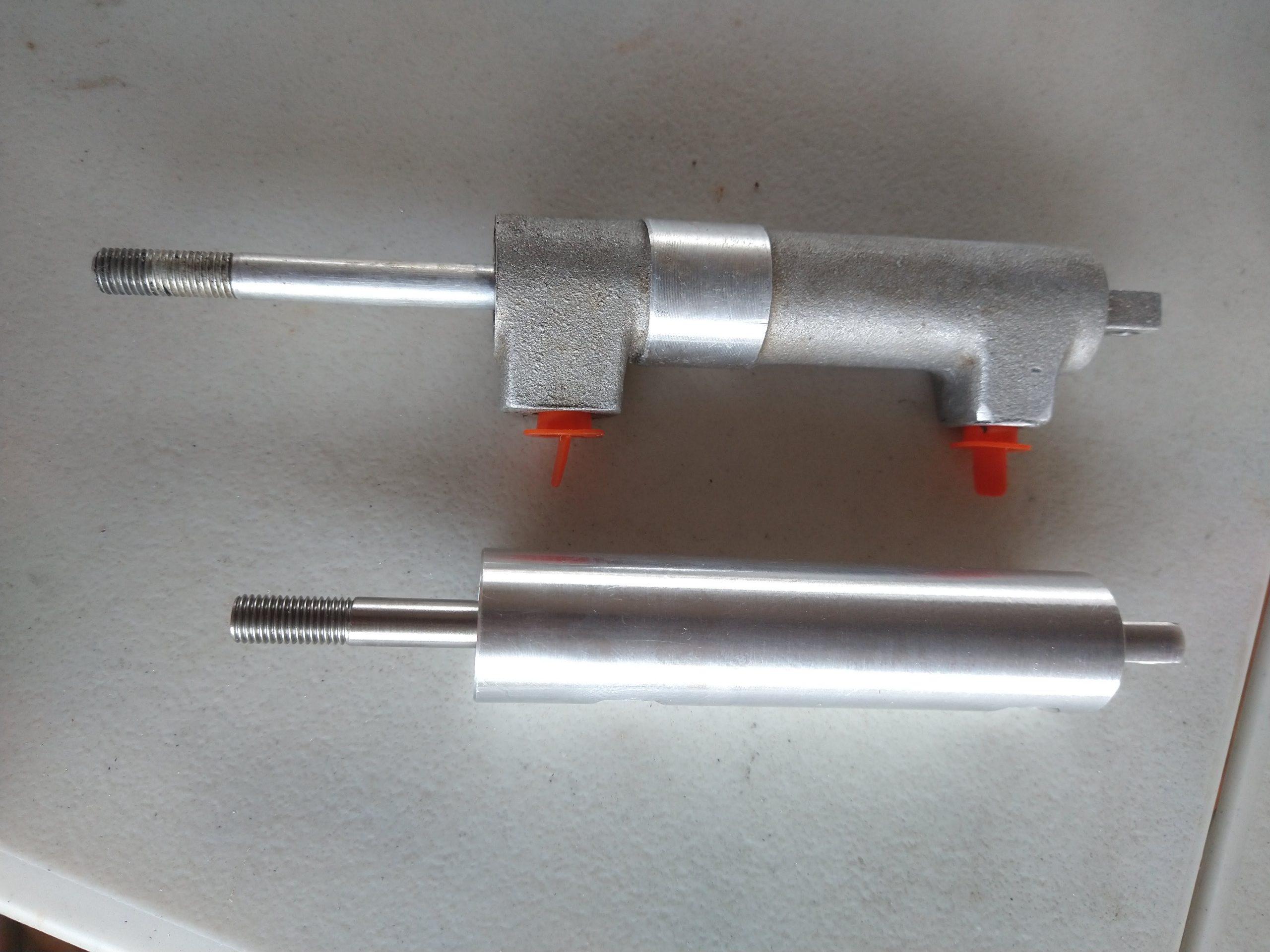
For years, Bearhawk builders used long-shaft Gerdes master cylinders (A-110-10). They were abundant and relatively cheap. Then when those got scarce around 2006 or so, folks started using a short shaft version (A-110-4), with a longer machined fork threaded onto the end. The top end forks are a special Bearhawk part that Mark keeps in stock.
Lately, even the shorter shaft Gerdes cylinders have been harder to get. Grove and Matco have cylinders in the homebuilt price range, though they are still almost double the Gerdes price. The Grove and Matco cylinders use internal valves, but Bob had some ideas from his days as a pneumatic engineer for how to make the cylinders work with o-rings only, and no valves. The result is this new alternative.
Notice that the new cylinders are machined aluminum, vs the Gerdes which were cast. Either gets the job done, but the new ones sure are pretty. The center shaft on the Gerdes is made from a very soft aluminum that is easy to bend while handling. On our blue Bearhawk I had to straighten a bent one, and one of the cylinders I removed from our new-to-us 303AP was also very bent. These new cylinders use a stainless steel center shaft which is much more durable.
Like the Gerdes, the new cylinder ports use 1/8 NPT pipe thread, which allows for installation of an AN822-4D (90-degree), AN823-4D (45-degree), or AN816 (straight) fittings to connect to hoses. Also like the Gerdes, the threads on the shaft are 5/16x24 (fine thread) which means it's easy to find jam nuts made from aluminum, cad-plated steel, or stainless as you prefer. Bearhawk Aircraft has the machined forks that go on the end. Both the forks and the cylinders have 3/16" holes for bolts or clevis pins, where the cylinders attach to the airframe and the forks attach to the brake pedals.
If you replace a short-shaft Gerdes cylinder with one of the new ones, Bob's design will be a drop-in replacement. If you'll be replacing the older long-shaft cylinders, you'll also need a set of the longer forks but can reuse your old jam nut. Bob prefers aluminum nuts, because, as you would expect, they are lighter. They are serving a very minor strength role here, and primarily just keep the shaft from rotating and to keep the threads from wearing. The top cap is retained by a snap ring, so like the Gerdes, these are field-rebuildable with off-the-shelf o-rings.
There is an important bit of guidance if you’ll be taking apart the cylinders. The inside of the threads near the top port are sharp, and can damage the o-rings during assembly or disassembly. Save one of the orange plastic plugs that ship with the cylinders, or procure
something similar. Before removing the top cap, insert the plug into the top port and press inward sufficiently to relieve the o-ring from being damaged on the sharp edge as the o-ring passes by the port.
If you are interested in a set, send an email to Mark Goldberg at Bearhawk Aircraft. Initial pricing is $165 per pair. The first batch of 100 has been distributed and the next batch is already in production.