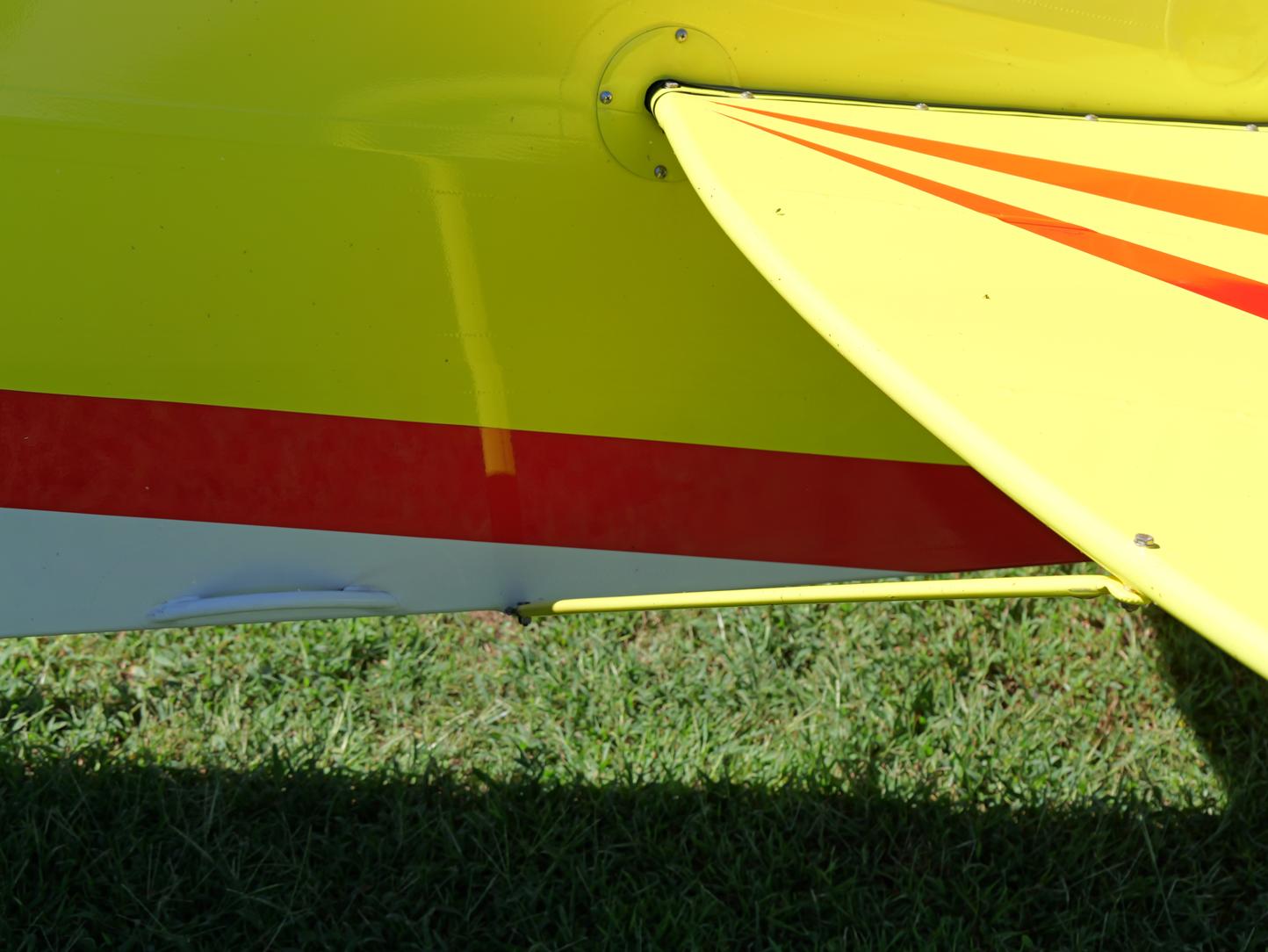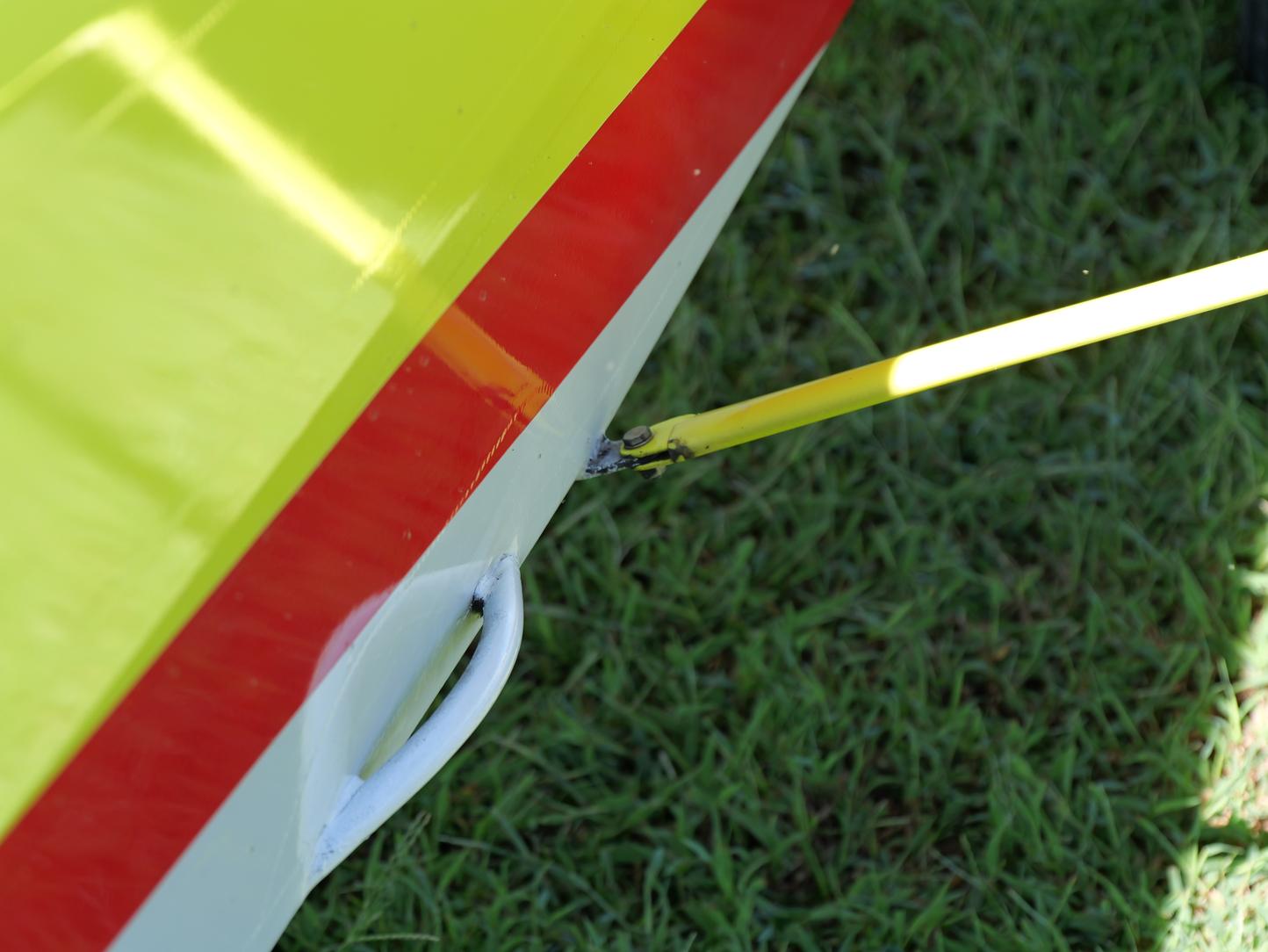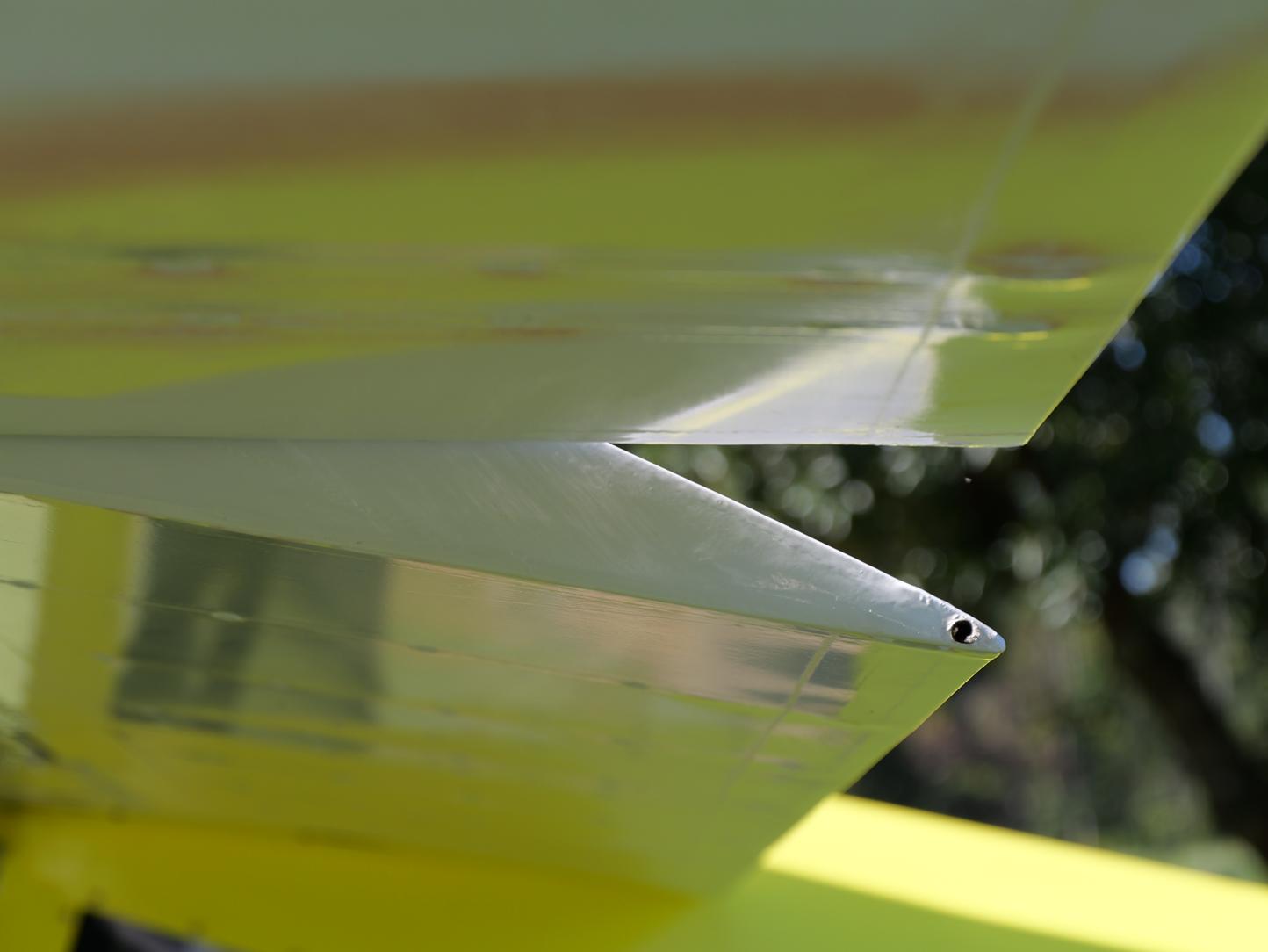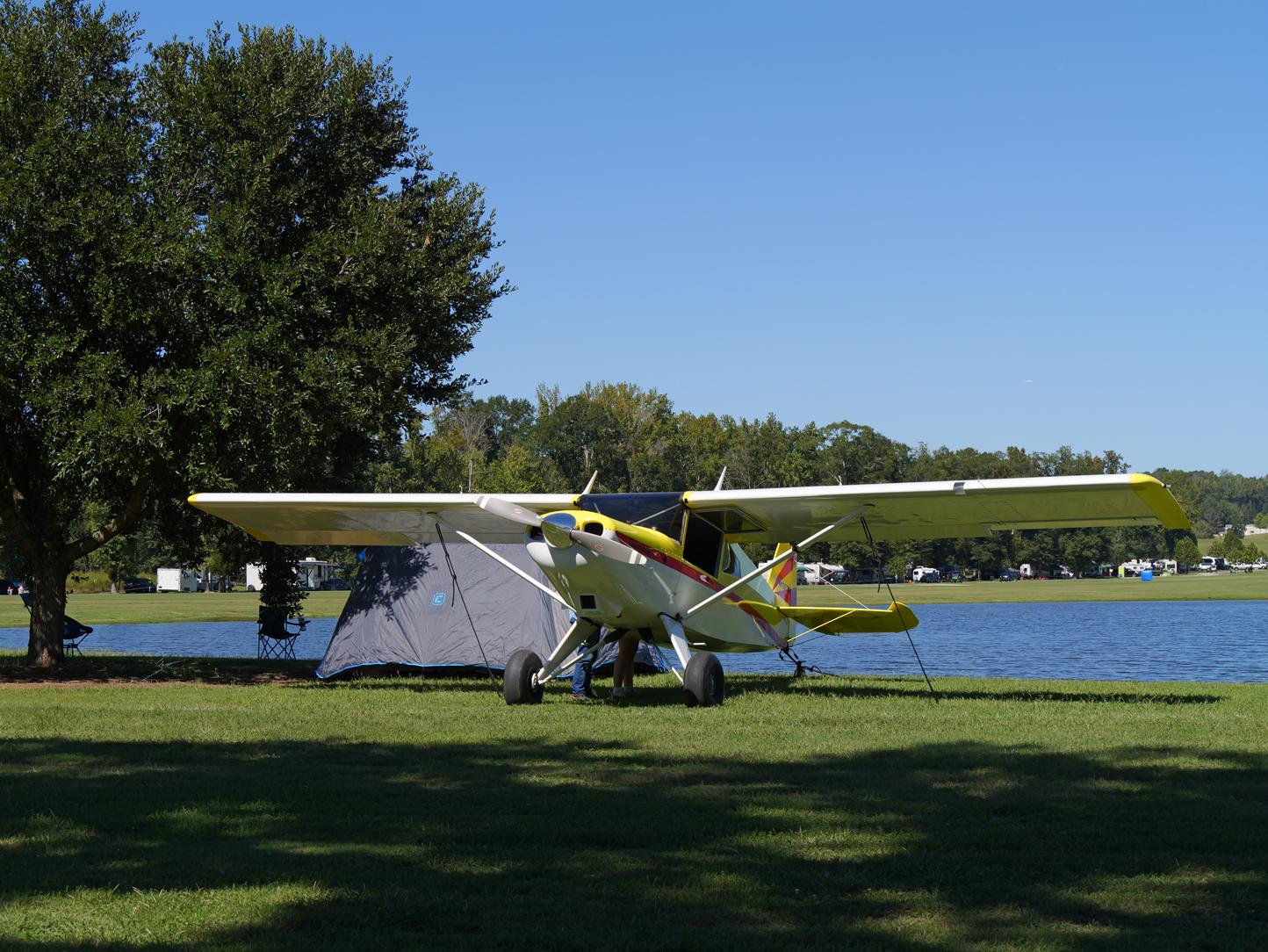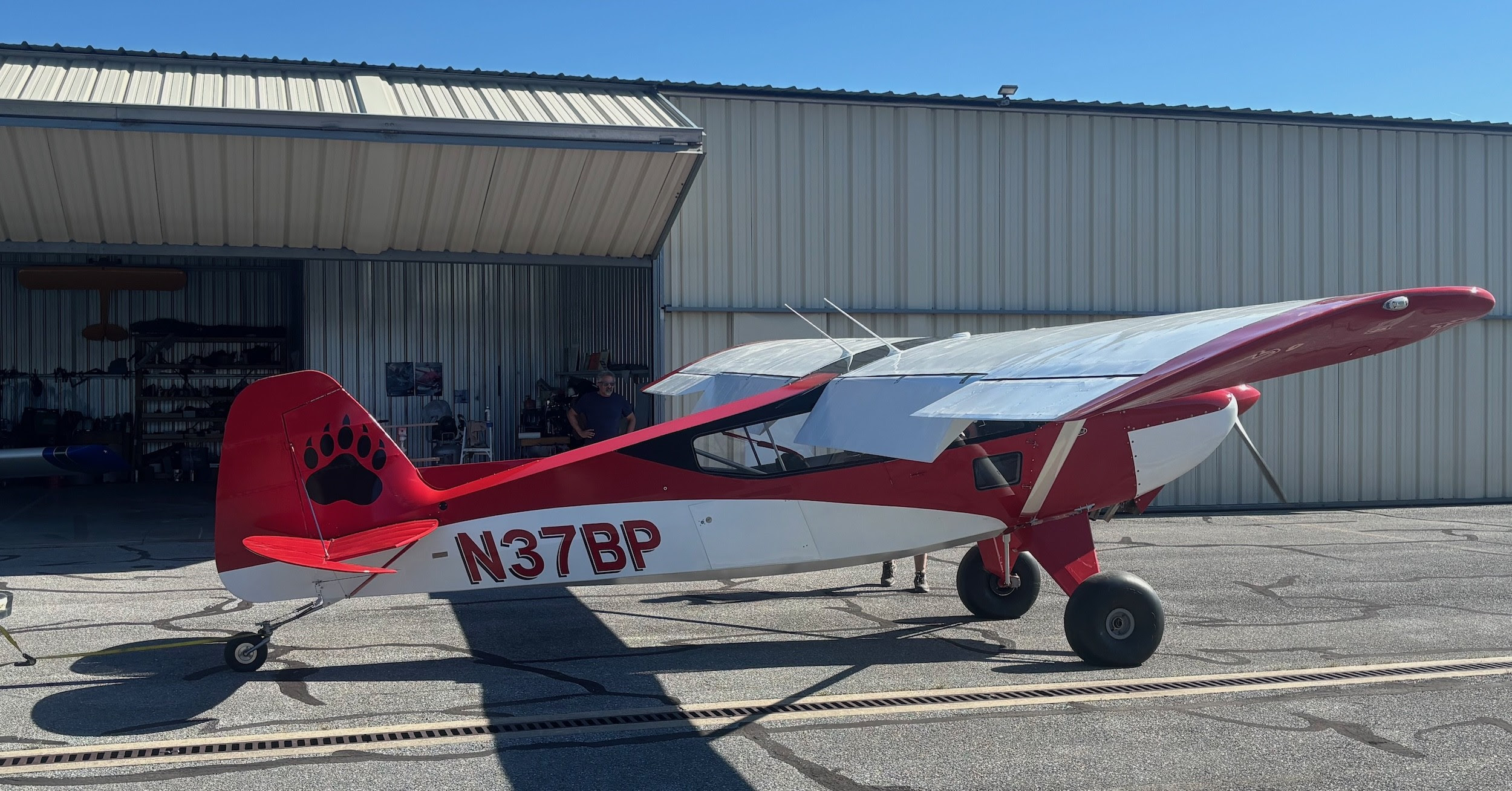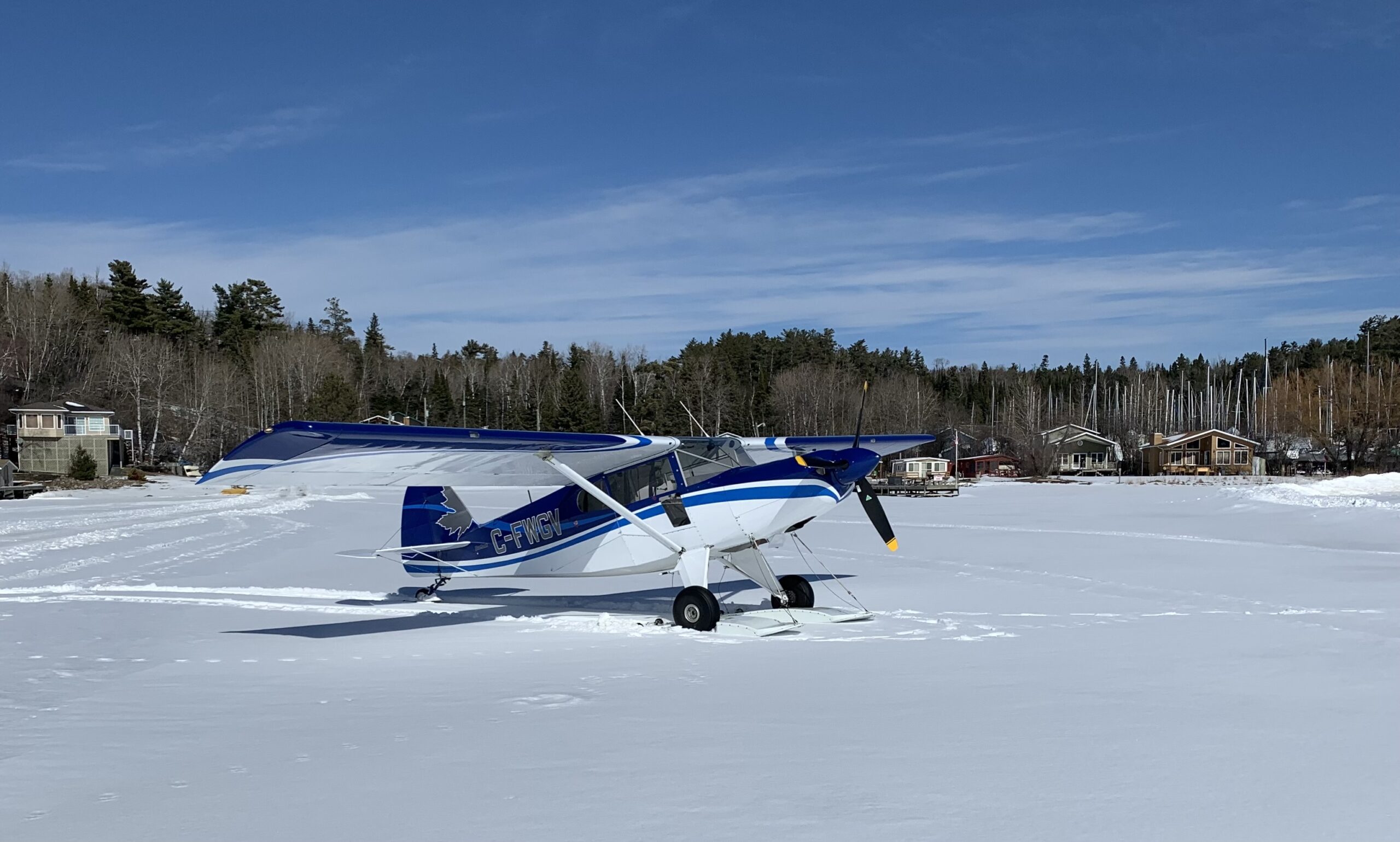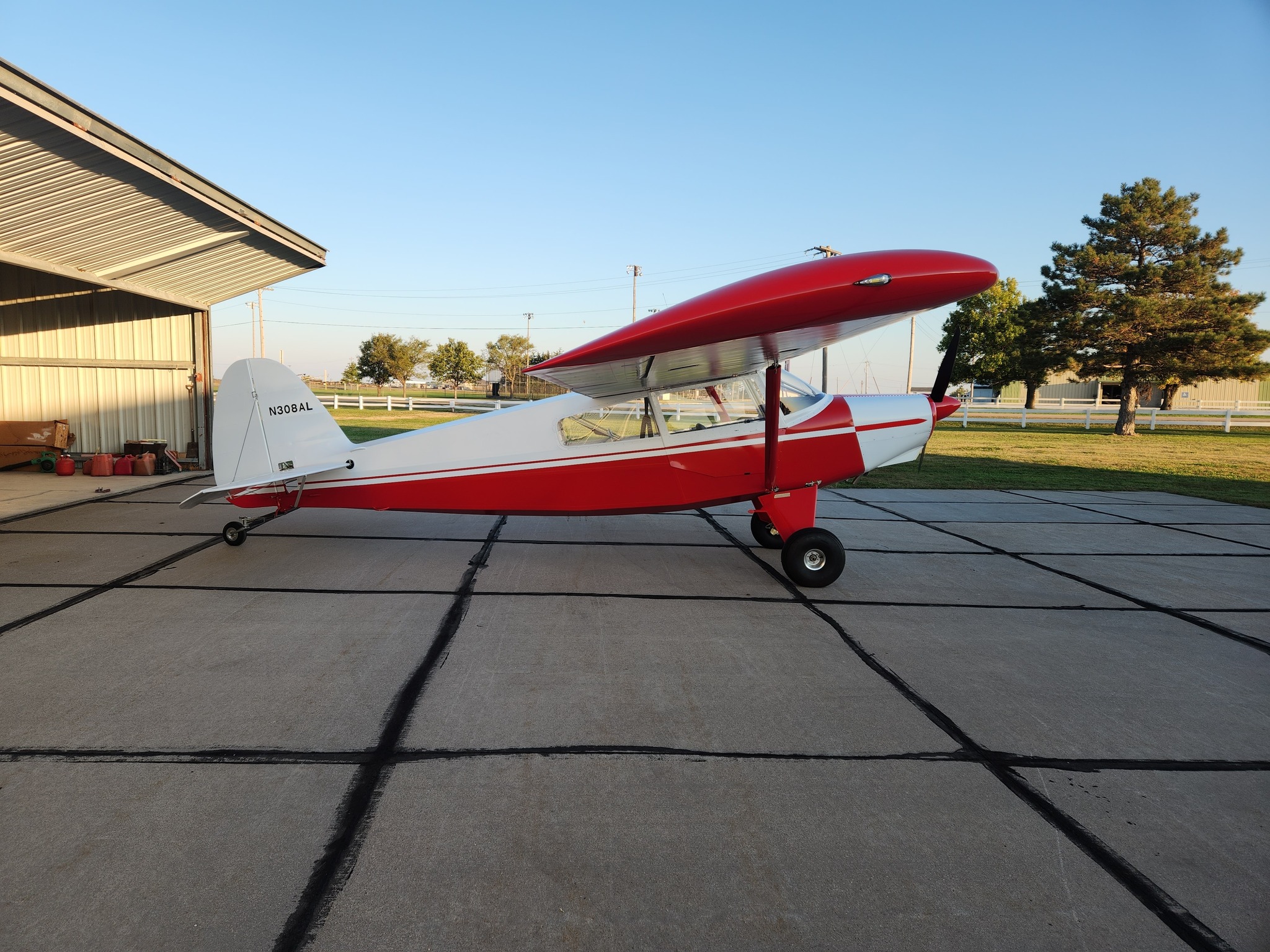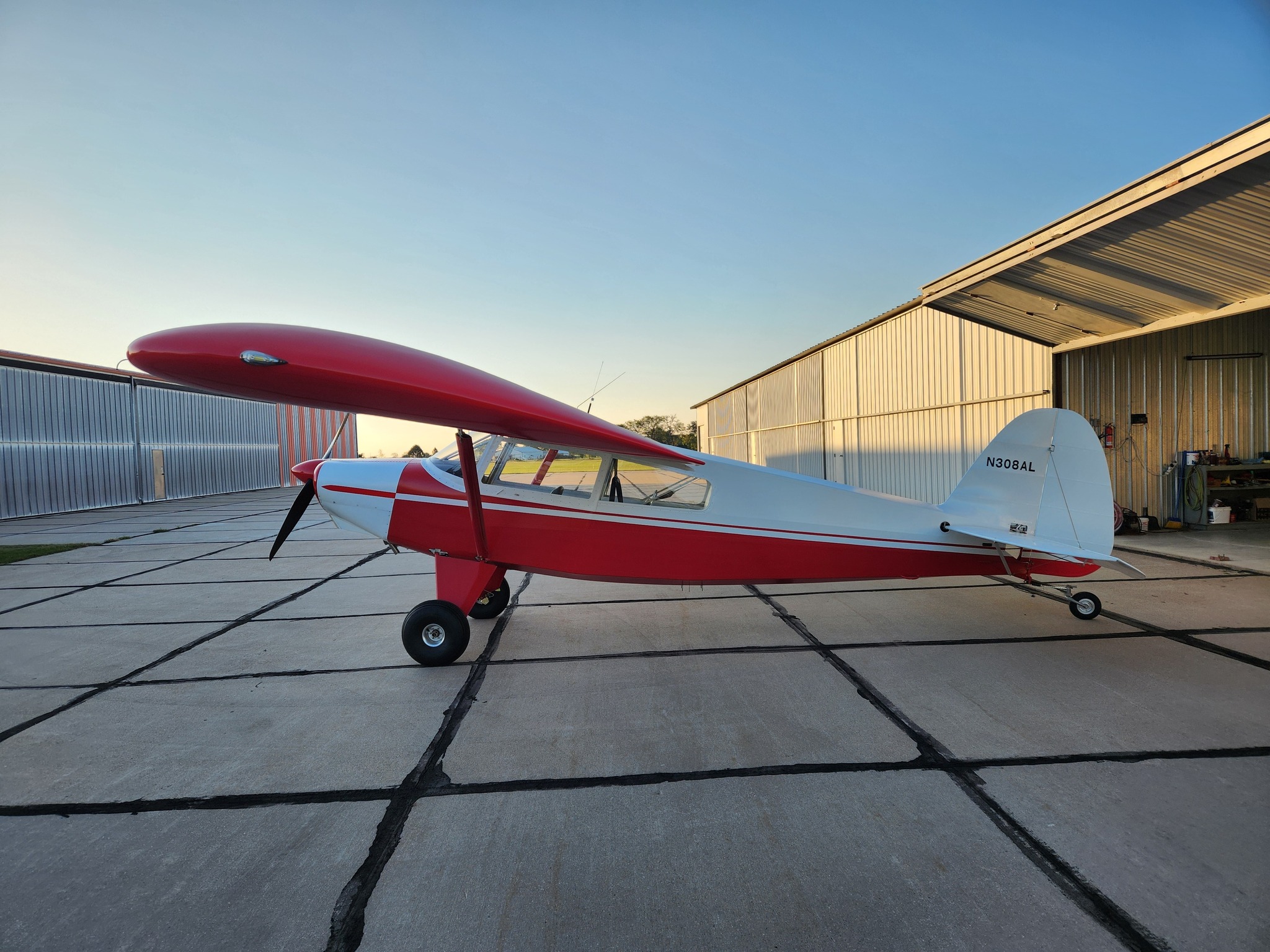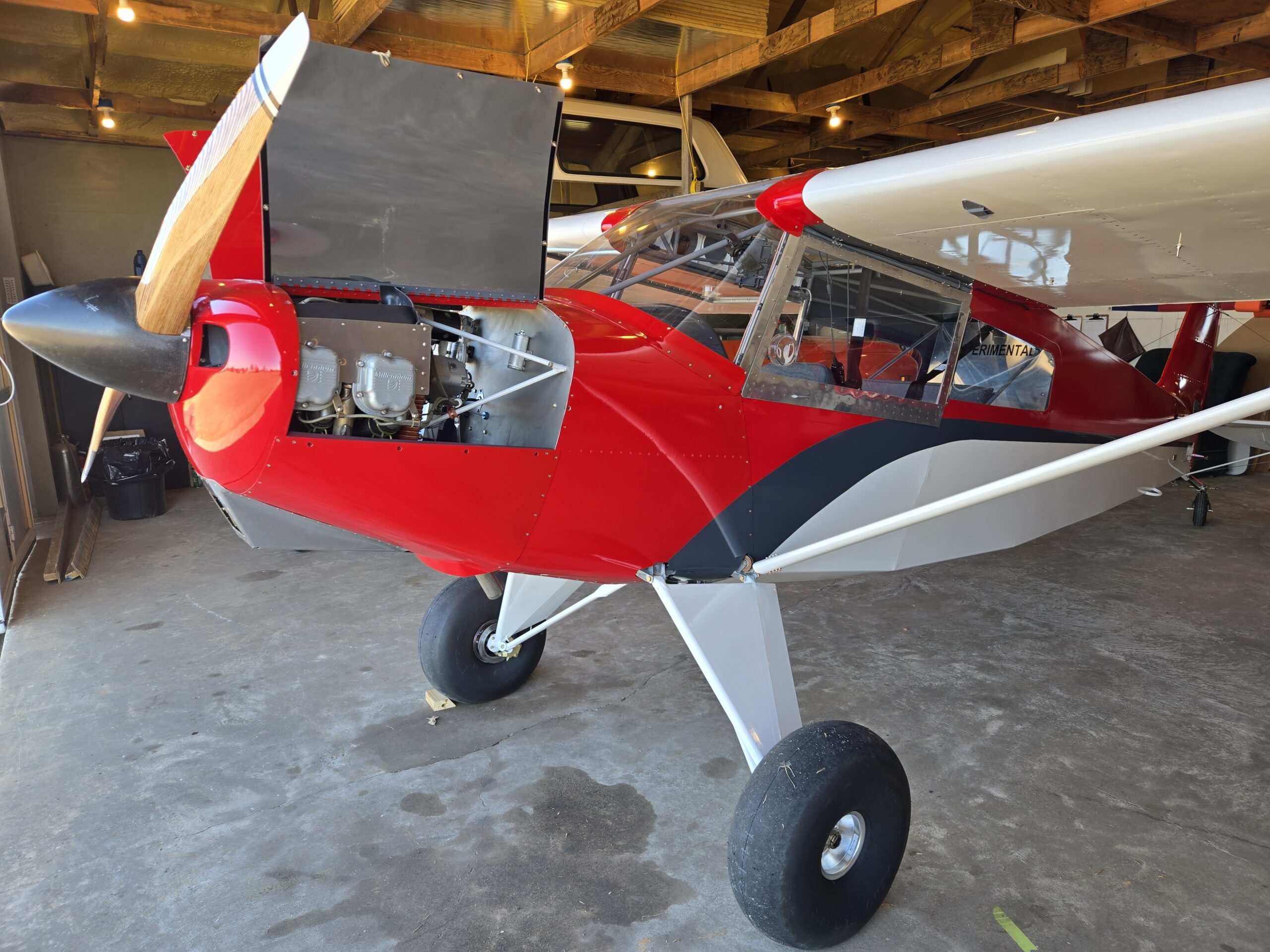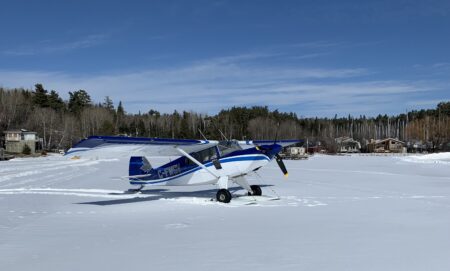
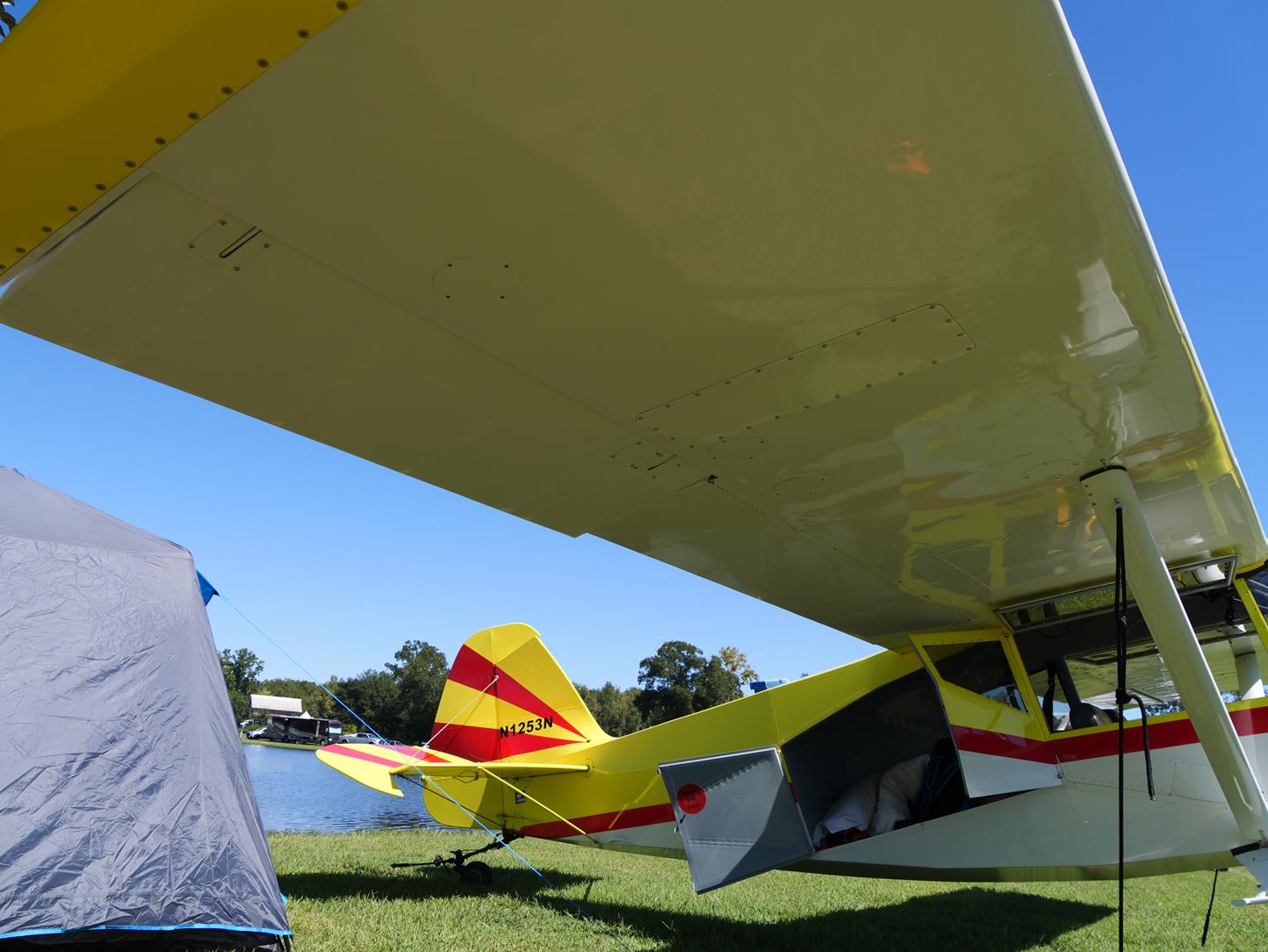
Cam Lawrence sends this photo of his Bearhawk 4-Place C-FWGV, which he operates out of his home strip, near Cooks Creek, MB, Canada. Cam is part of a group of builders including George Huntington who have completed three Bearhawks, with one more to go. Cam’s plane is built from plans number 815. He plans to have the plane at Oshkosh next year and I can’t wait to get a few dozen more pictures of it!
Mark Scott from Connecticut wrote in to say, “Just thought I would let you know I passed 1000 hours on my Bearhawk recently. I wonder how many Bearhawks have made it that far and who has the most hours on each model. Any idea?”
I don’t have a very good idea unfortunately. Our plane N303AP has around 1400 hours. Write in if you know of any specific high-time Bearhawks. Mark started a discussion on this topic a couple of years ago but it could benefit from some updates! https://bearhawkforums.com/forum/bearhawk-general-discussion-news/90106-total-hours-summary
Rod Smith in Colorado started a forum thread about flight testing after he added vortex generators. Rod says, “Last winter I completed all the Phase 1 flight testing cards before I installed VGs. The only flight tests I redid after installation were the full stall series and landing and takeoff distances which all definitely improved. I have wondered how the VGs might impact other speeds such as Vx, Vy, and best glide. Needing to complete my Aircraft Operating Handbook, I decided it was time to redo the climb and glide speed tests. Early January provided a high pressure system with very still air for a few days. Winds aloft ranged from calm to 5kt. There was no detectable lift or sink flying early in the cold mornings. I spent three hours over two days testing at 5kt intervals. Testing was done at 2400#s 17.6″ CG. Interestingly Vy and Vg both decreased, Vg from 75 to 70. Vy from 65 to 62. Climb rate at 60 and 65kts was within 10 fpm so I tested at 62 and it was 25 fpm higher. Vx remained the same at 55k. I feel that these were accurate results, the air was very stable and I was able to hold the speed +/- 1kt. I feel like the results were quite a bit more reliable than my earlier testing which was done with less stable air and I had more trouble holding the exact speed. Did the VGs change Vy and Vg? Don’t have enough information to know, may have just been better testing. I found that flysto.net provided more accurate altitude numbers at 1 second intervals than I was able to record as the timer hit 60 seconds.”
Bearhawk builder and long-time operator Russ Erb has been writing some technical papers based on his Bearhawk experiences, which long-time Beartracks readers will remember. Russ has posted three papers on his website at http://erbman.org/technicalpapers/technical_papers_index.htm (scroll down to the bottom for the most recent three).
Russ says, “Two of the papers, ‘Takeoff Chart Development for a Homebuilt Airplane by Numerical Simulation’ and ‘Simplified Takeoff Model for a Homebuilt Airplane,’ were started as an article for the Trailing Edge (Russ’s newsletter), but grew to a technical level that made it suitable for submission as a technical paper. The one article was split into two papers due to AIAA’s presentation time limits. These papers cover the development of two takeoff ground roll distance models for my homebuilt Bearhawk, which as a homebuilt doesn’t come with performance data. I answer the question of if I think I could safely fly my airplane out of Lake County Airport (Leadville CO), the highest elevation public use airport in the lower 48 states. Will I actually try it? That would depend on having a strong reason to actually fly the long distance to Colorado.” We’ll have to ask the Blue Bell Ice Cream folks to open an outlet in Leadville so that Russ’s numbers can finally be validated. The third paper “Measuring In-Flight Deflection of Cable Actuated Flaps” started as an article previously published on the Trailing Edge, and was re-written as an AIAA technical paper.
Speaking of Bearhawks in the news, there have been some Bearhawk sightings in the EAA’s Sport Aviation magazine. We saw a blurb about Brooks Cone’s Bearhawk Patrol and in our last Beartracks issue we failed to mention Charles Albritton’s article in the October 2025 edition about a really-quick-build Bearhawk Five project in Brazil. Any time you see good Bearhawk coverage in a magazine or publication, take a moment to write the editor and thank them for it!
You might have also seen Bob’s advertisement in Sport Aviation:

Have you ever found yourself wondering how to build a Bearhawk spar? If you have, there are some fantastic forum threads on the topic, including this recent discussion where Patrol builder Stan Timmerman does what he often does, replying to his fellow builders with very detailed technical answers, and color 8×10 glossy photographs with circles and arrows. Shout out to Stan for helping build such an amazing useful archive!
While you are on the forum, be sure to check out David Swartzendruber’s post about his custom folding rear seat for his Bearhawk LSA.
Are you interested in 3-D Printing? We’ve created a new category on the Bearhawk Forum website where builders can share files and ideas for tools and parts. Nev Bailey from New Zealand shared a clever printable cubby that turns the space under the front seats any of the side-by-side Bearhawks into a useful storage bin. Several builders have posted cool ideas.
Did you know Bob has a website again? Visit https://www.bearhawkaircraftplans.com/ to learn more about Bearhawk plans and parts available from Bob, including his newly updated brake master cylinders.
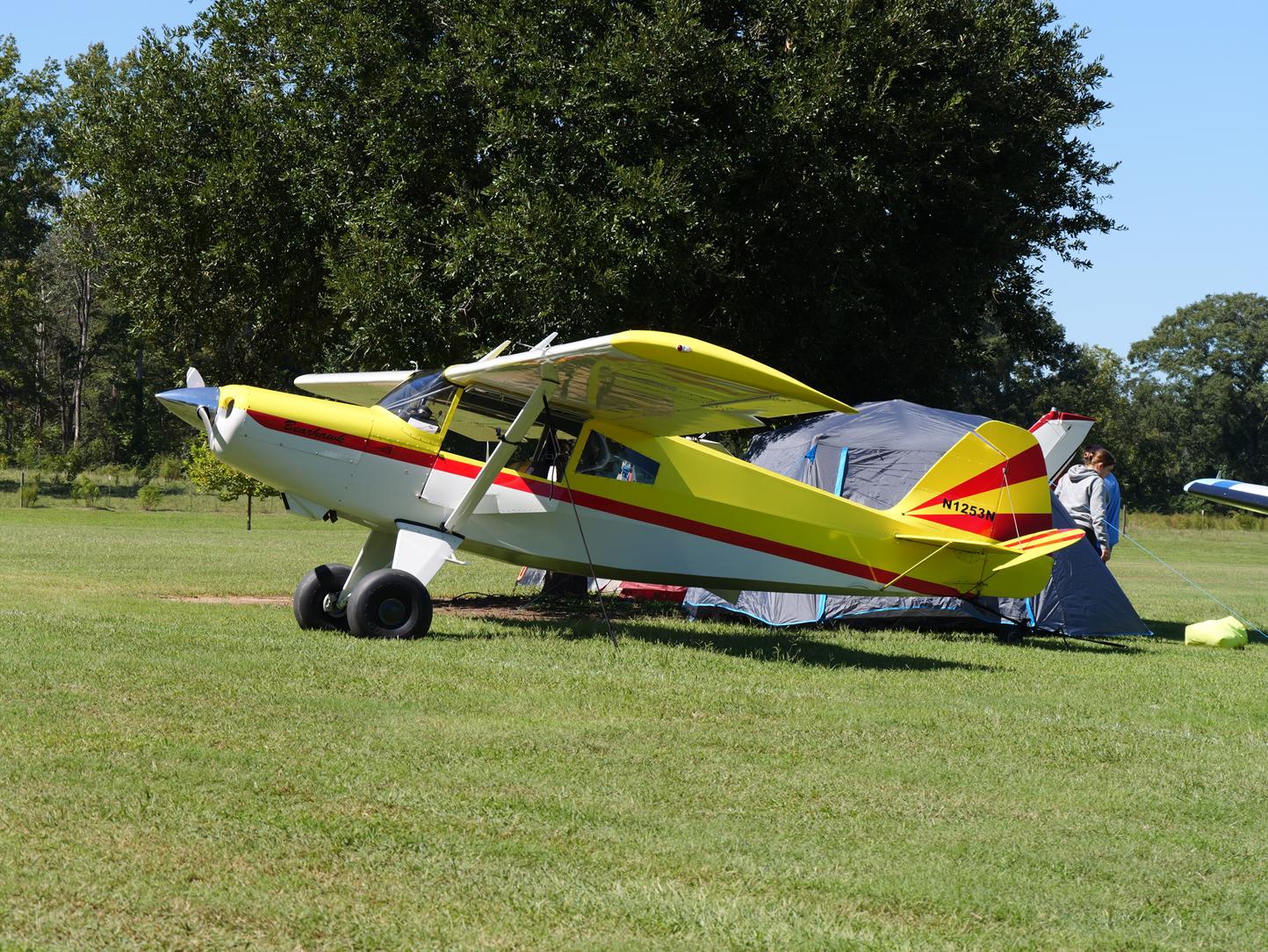
At the moment, there a few Bearhawks listed for sale on Barnstormers, including a Companion, three Patrols, and an LSA.





 .
.